African Mango Extract
Irvingia gabonensis
African mango extract is a seed-derived botanical used in weight-management supplements for appetite, fiber, and metabolic wellness education.
African Mango Extract Overview
A practical look at african mango extract and how it appears in supplement labels.
African mango extract comes from the seed of Irvingia gabonensis, a fruit tree native to parts of West and Central Africa. The fruit pulp is eaten as food in some regions, but supplement products usually focus on the seed extract. In the supplement market, African mango is most often positioned around weight-management routines, appetite awareness, fiber-related fullness, and metabolic wellness education.
The ingredient gained attention because early research explored whether Irvingia seed preparations might influence body weight, waist measurements, lipid markers, or appetite-related patterns. Those areas are interesting, but they should be interpreted carefully. Study designs, extract types, serving sizes, and participant groups can vary, and supplements should not be presented as guaranteed fat-loss solutions. A responsible educational profile treats African mango as a botanical ingredient that may be compared within a larger lifestyle plan, not as a replacement for nutrition, movement, sleep, or medical care.
For shoppers, the most useful question is not simply whether a label says African mango. It is whether the product clearly identifies the extract, serving size, standardization, and role in the formula. Some products use African mango as a single-ingredient capsule, while others combine it with caffeine, green tea extract, fiber, chromium, berberine, or other weight-management ingredients. Those combinations can change the safety profile and the way a person tolerates the product.
African mango may be appealing to people who prefer non-stimulant botanical formulas, but labels still require careful review. Digestive changes can occur, and people monitoring blood sugar or cholesterol should be cautious because wellness ingredients may overlap with medication goals. Products that make extreme claims, promise rapid weight loss, or hide the dose inside a proprietary blend deserve extra scrutiny.
Suppriva evaluates African mango extract as an ingredient for education and comparison. The best use of this page is to understand what the ingredient is, how it is commonly positioned, what cautions matter, and how to compare labels more confidently. Anyone who is pregnant, nursing, managing a medical condition, taking medication, or considering a weight-management supplement for a health-related reason should speak with a qualified healthcare professional before use.
Because African mango is usually marketed for body-composition goals, it should be reviewed with extra attention to claim quality. A product that frames the ingredient as support for routine consistency is very different from a product that promises dramatic fat loss. Consumers should look for moderate language, transparent serving amounts, and clear instructions. If the formula also includes stimulants, laxative herbs, or multiple blood-sugar ingredients, the overall safety context changes.
African mango may also be compared with ingredients such as glucomannan, green tea extract, chromium, apple cider vinegar, and bitter melon. Those ingredients work through different proposed pathways, so they should not be treated as interchangeable. The best product choice depends on the full formula, personal tolerance, diet pattern, medication use, and wellness goals. This page is designed to help shoppers understand that context before relying on front-label claims.
As with any weight-management ingredient, the most useful results usually come from matching the supplement to a sustainable routine rather than expecting the ingredient to do the work on its own.
How African Mango Extract Works
How african mango extract is commonly discussed in wellness supplement education.
Seed Extract for Appetite-Aware Routines
African mango is most often compared as a botanical seed extract used in weight-management formulas where fullness, consistency, and label transparency matter.
African mango is discussed in relation to fiber-like fullness, lipid and glucose metabolism research, and weight-management routines. Some products position the seed extract as a non-stimulant botanical, but formulas vary widely and should be evaluated by the full supplement facts panel.
The practical value of African Mango Extract depends on product quality, dose, ingredient form, and whether the label sets realistic expectations. It should be considered part of a broader wellness routine, not a stand-alone medical solution.
Ingredient Insight
African mango supplements usually use the seed extract, not the sweet fruit pulp that is eaten as food.
Potential African Mango Extract Benefits
Educational benefits commonly associated with african mango extract in supplement routines.
Botanical Weight-Management Context
Botanical Weight-Management Context helps readers evaluate african mango extract by looking at use context, quality, dose, and realistic supplement expectations.
Appetite-Support Positioning
Appetite-Support Positioning helps readers evaluate african mango extract by looking at use context, quality, dose, and realistic supplement expectations.
Metabolic Wellness Research
Metabolic Wellness Research helps readers evaluate african mango extract by looking at use context, quality, dose, and realistic supplement expectations.
Label Comparison Value
Label Comparison Value helps readers evaluate african mango extract by looking at use context, quality, dose, and realistic supplement expectations.
Non-Stimulant Formula Fit
Non-Stimulant Formula Fit helps readers evaluate african mango extract by looking at use context, quality, dose, and realistic supplement expectations.
Lifestyle Routine Support
Lifestyle Routine Support helps readers evaluate african mango extract by looking at use context, quality, dose, and realistic supplement expectations.
Typical African Mango Extract Dosage
Serving size depends on form, concentration, and label directions.
Common supplement servings often range from 150 mg to 1,000 mg daily depending on extract concentration and label directions. Start with the label directions for the specific product rather than assuming all african mango extract supplements are equivalent.
People with medical conditions, medication use, pregnancy, or nursing should ask a qualified healthcare professional before using supplements.
African Mango Extract Safety Information
African mango is generally used in adult supplement routines, but digestive tolerance, blood sugar monitoring, pregnancy status, and medication use should be reviewed.
Side Effects
- Digestive discomfort may occur in some users depending on dose, product format, personal tolerance, and health status.
- Blood sugar awareness may occur in some users depending on dose, product format, personal tolerance, and health status.
- Headache or sensitivity may occur in some users depending on dose, product format, personal tolerance, and health status.
- Formula overlap may occur in some users depending on dose, product format, personal tolerance, and health status.
Drug Interactions
- Review use with diabetes medications or blood sugar management plans.
- Use caution with weight-management products that also contain caffeine or stimulants.
- Discuss use before surgery or when using multiple metabolic supplements.
- Ask a clinician before use during pregnancy or nursing.
Who Should Avoid
- Pregnant or nursing individuals unless advised by a healthcare professional.
- People taking diabetes medication without clinical guidance.
- People with significant digestive sensitivity to fiber-rich supplements.
- Children unless directed by a qualified healthcare provider.
- Anyone expecting supplement use to replace medical or lifestyle care.
African Mango Extract FAQs
Common questions about african mango extract, dosage, safety, and supplement label comparison.
African mango extract is a seed-derived botanical used in weight-management supplements for appetite, fiber, and metabolic wellness education.
African Mango Extract is commonly discussed for weight-management formulas and appetite-support research. Its usefulness depends on dose, quality, and the overall routine.
Found In Products
Published Suppriva products connected through the existing ingredient relationship table.
Related Blogs
Editorial resources automatically matched by ingredient, category, and wellness topic language.

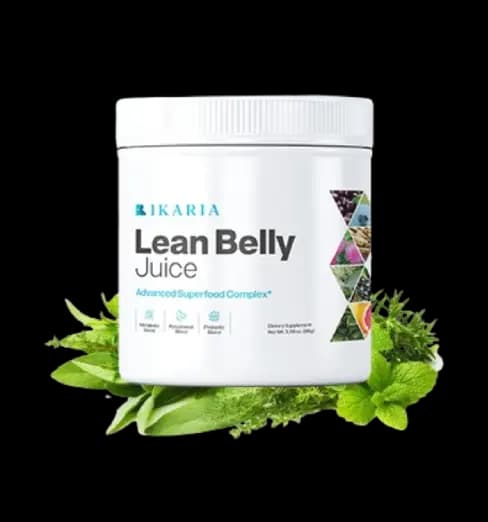
Ikaria Lean Belly Juice vs AquaSculpt: Which Is Better for Belly Fat?
Before buying another formula, review the most common weight loss supplement mistakes and how to make better choices.
Read article
Compare Alternatives
Similar ingredients surfaced automatically from matching wellness categories and ingredient language.
Apple Cider Vinegar
Acetic acid from fermented apple juice
Apple cider vinegar is a fermented apple-derived ingredient used in supplement education for digestion, appetite routines, post-meal research, and weight-management label comparison.
Read MoreCayenne Pepper (Capsaicin)
Capsicum annuum
Cayenne Pepper provides capsaicin and related capsaicinoids, commonly used in metabolism, thermogenic, and digestive wellness formulas.
Read MoreGreen Coffee Bean Extract
Coffea arabica seed extract
Green Coffee Bean Extract is an unroasted coffee seed extract used in weight-management formulas for chlorogenic acid, caffeine, and metabolism-label education.
Read MoreGreen Tea Extract (EGCG)
Camellia sinensis leaf extract standardized for EGCG
Green Tea Extract is a Camellia sinensis leaf extract used in supplement education for EGCG, antioxidant support, metabolism formulas, and liver-safety awareness.
Read MoreExplore By Health Needs
Browse live wellness categories connected to broader supplement goals.