Astaxanthin
Astaxanthin; commonly sourced from Haematococcus pluvialis
Astaxanthin is a red-orange carotenoid antioxidant used in eye, skin, recovery, and cellular wellness supplement education.
What Is Astaxanthin?
A practical guide to algae-derived astaxanthin, antioxidant positioning, and supplement label comparison.
Astaxanthin is a red-orange carotenoid pigment found in microalgae and in marine animals that consume algae, including salmon, krill, trout, and shrimp. In supplements, it is often sourced from the microalga Haematococcus pluvialis, although synthetic and other sourced forms also exist. Because astaxanthin is fat-soluble, it is commonly sold in softgels or oil-based capsules designed to be taken with food.
In wellness education, astaxanthin is most often discussed for antioxidant support, eye strain routines, skin wellness, exercise recovery, and cellular health. It is not a cure for eye disease, skin disease, inflammation, or cardiovascular conditions. Its role is better understood as an ingredient that appears in formulas aimed at supporting normal oxidative-balance pathways and helping readers compare antioxidant-focused supplements.
A key label consideration is source transparency. Natural astaxanthin from Haematococcus pluvialis is commonly highlighted by premium brands, but the label should still disclose dose, serving format, carrier oil, other antioxidant ingredients, and safety cautions. Some products combine astaxanthin with lutein, zeaxanthin, omega-3 fatty acids, vitamin E, or skin-support nutrients, which changes how the formula should be evaluated.
Typical servings are often measured in milligrams, with many products using 4 mg to 12 mg per day. More is not automatically better. Because astaxanthin is fat-soluble, absorption may be improved when taken with a meal containing fat. People taking medication, managing chronic conditions, pregnant or nursing individuals, and those preparing for surgery should ask a qualified healthcare professional before using concentrated antioxidant supplements.
Suppriva reviews astaxanthin as an educational ingredient for shoppers comparing antioxidant, eye, skin, and recovery formulas. The most useful approach is to evaluate the ingredient by source, dose, carrier system, companion ingredients, and realistic expectations. It should support informed product comparison, not replace medical advice or professional care.
Astaxanthin is also a good example of why ingredient context matters. A product marketed for eye wellness may pair it with lutein and zeaxanthin, while a skin formula may combine it with collagen, vitamin C, hyaluronic acid, or ceramides. A recovery-oriented product may combine it with omega-3 fatty acids or other antioxidants. The same ingredient can therefore appear in very different products, and the surrounding formula changes how the label should be interpreted.
Readers should also be careful with broad antioxidant language. Antioxidant support does not mean a supplement prevents disease or reverses damage. It means the ingredient is being discussed in relation to normal oxidative-balance pathways. A responsible astaxanthin review should look at the dose, source, fat-soluble delivery, safety cautions, and the specific wellness goal of the formula. This helps shoppers avoid treating every red-orange softgel as equivalent.
A responsible astaxanthin page should also help readers understand what it cannot do. It should not be treated as a replacement for eye examinations, dermatology care, cardiovascular care, or recovery planning. If a product makes strong promises, shoppers should look for clear ingredient identity, realistic language, and a transparent supplement facts panel. This keeps the focus on education, product comparison, and safe decision-making rather than exaggerated antioxidant claims. This is especially useful for readers comparing eye, skin, and recovery products side by side.
How Astaxanthin Works
Astaxanthin is discussed as a fat-soluble carotenoid antioxidant used in eye, skin, and recovery-support formulas.
Fat-Soluble Antioxidant Context
Astaxanthin is commonly evaluated by natural source, milligram dose, carrier oil, and whether it is paired with eye or skin nutrients.
Astaxanthin works as a carotenoid antioxidant that is fat-soluble, meaning it associates with lipid-rich environments in the body. Research interest often focuses on oxidative stress markers, visual fatigue, skin hydration and elasticity markers, and exercise-related recovery outcomes. These areas are educational and should not be presented as disease treatment claims.
Because absorption depends on delivery, astaxanthin labels should be compared carefully. Oil-based softgels, meals containing fat, and companion ingredients may influence product positioning. A clean label should state the source, dose, serving frequency, and whether the ingredient is natural algae-derived astaxanthin or another form.
Marine Pigment Insight
Astaxanthin is one reason salmon and flamingos can develop their pink-orange color through the food chain.
Potential Benefits of Astaxanthin
Educational benefits commonly discussed for Astaxanthin in supplement routines.
Eye Wellness Context
Often included in formulas for screen-heavy lifestyles and visual comfort education.
Skin Support Education
Commonly discussed in relation to antioxidant support, hydration, and skin wellness routines.
Antioxidant Research
Helps readers understand oxidative-stress support claims in supplement labels.
Recovery Formula Fit
Appears in active-lifestyle products that discuss exercise recovery and cellular resilience.
Fat-Soluble Delivery
Encourages comparison of softgels, carrier oils, and meal timing for absorption context.
Source Transparency
Natural algae source, dose, and companion ingredients are key label comparison points.
Typical Dosage
Serving amounts vary by product form, standardization, and individual health context.
Astaxanthin supplement servings commonly range from 4 mg to 12 mg daily, though some formulas use different amounts depending on the purpose and companion ingredients. Because it is fat-soluble, labels often recommend taking it with food or a meal that contains dietary fat.
Follow the specific product label and avoid assuming that higher amounts are automatically better. If you take medication, are pregnant or nursing, manage a chronic health condition, or are planning surgery, discuss astaxanthin with a qualified healthcare professional before use.
Safety Information
Astaxanthin is generally well tolerated by many adults, but medication use, pregnancy, and high-dose antioxidant stacking should be reviewed.
Side Effects
- Some people report mild stomach discomfort, especially when taken without food.
- High antioxidant stacking should be reviewed if multiple products are used together.
- People using prescriptions should ask a clinician before starting concentrated supplements.
- Taking with food may support tolerance and absorption for many users.
Drug Interactions
- Blood pressure or blood sugar medication use should be reviewed with a healthcare professional.
- Anticoagulant or antiplatelet medication use should be discussed before concentrated antioxidant supplementation.
- Combining multiple antioxidant formulas may increase total intake beyond what the label makes obvious.
- Pregnancy, nursing, surgery preparation, or chronic disease management should be reviewed before use.
Who Should Avoid
- People with medication changes who have not discussed supplement use with a clinician.
- Pregnant or nursing individuals unless advised by a qualified professional.
- People preparing for surgery unless supplement timing has been reviewed.
- Anyone sensitive to softgel oils or added carrier ingredients.
- People using multiple high-dose antioxidant products without guidance.
Frequently Asked Questions
Answers to common questions about Astaxanthin, supplement labels, dosage, and safety.
Astaxanthin is a red-orange carotenoid antioxidant commonly sourced from microalgae and used in eye, skin, recovery, and antioxidant-support supplements.
Many premium supplements use natural astaxanthin from Haematococcus pluvialis, but labels should be checked because sourcing can vary.
Found In Products
Published Suppriva products connected through the existing ingredient relationship table.
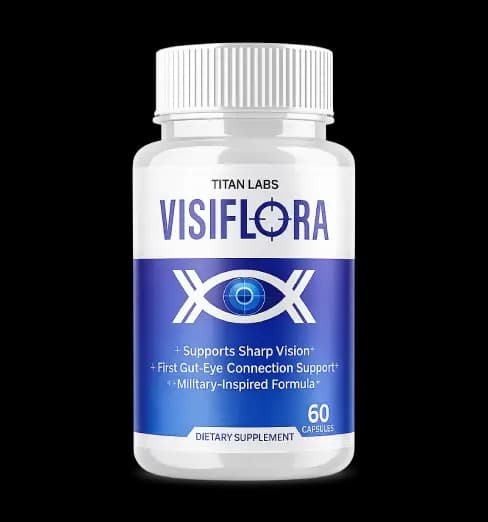
Related Blogs
Editorial resources automatically matched by ingredient, category, and wellness topic language.
Ikaria Lean Belly Juice vs AquaSculpt: Which Is Better for Belly Fat?
Before buying another formula, review the most common weight loss supplement mistakes and how to make better choices.
Read article
Explore By Health Needs
Browse live wellness categories connected to broader supplement goals.