DIM (Diindolylmethane)
3,3'-Diindolylmethane
DIM is a compound formed from cruciferous vegetable nutrients and used in supplements for estrogen metabolism and hormone-balance education.
What Is DIM?
A practical guide to diindolylmethane, cruciferous vegetables, estrogen metabolism, and supplement safety.
DIM, short for diindolylmethane, is a compound formed in the body when indole-3-carbinol from cruciferous vegetables is broken down. Vegetables such as broccoli, Brussels sprouts, cabbage, cauliflower, and kale contain glucosinolates that can contribute to this pathway. In supplement form, DIM is usually provided directly as a concentrated capsule or tablet rather than requiring the body to convert it from food compounds. This makes DIM supplements different from simply eating cruciferous vegetables.
DIM is most commonly discussed in supplement education for estrogen metabolism, hormone-balance formulas, women's wellness, men's wellness, and certain skin or body-composition products. It is also studied in preclinical and clinical contexts related to cell signaling, inflammation, and hormone-sensitive tissues. However, DIM should not be presented as a cancer-prevention treatment, hormone therapy, or a substitute for medical care. Hormone-related symptoms deserve professional evaluation rather than self-treatment with supplements.
Because DIM is connected to estrogen metabolism, the safety context is especially important. People taking hormone therapy, birth control, fertility medications, aromatase inhibitors, tamoxifen, or other endocrine-related medications should consult a healthcare professional before using DIM. People with hormone-sensitive conditions, pregnancy, nursing, liver disease, or complex medication routines should be cautious. Supplement labels should avoid implying that estrogen is simply bad or that DIM universally balances hormones for everyone.
DIM products may vary by dose, delivery system, and formula partners. Some supplements use plain DIM, while others include bioavailability systems, broccoli sprout extract, calcium D-glucarate, sulforaphane precursors, chaste tree, or other hormone-related ingredients. The full formula should be reviewed because stacking multiple hormone-oriented ingredients can change safety considerations.
Memorial Sloan Kettering discusses DIM as a compound with preclinical research interest and also notes that evidence and safety context matter. For consumers, the most useful approach is not to chase bold hormone claims but to compare serving size, intended use, medication cautions, and whether a product explains what DIM can and cannot do. DIM is best framed as an educational ingredient for hormone-metabolism label literacy.
Dietary context matters too. Cruciferous vegetables provide fiber, vitamins, minerals, and many plant compounds beyond DIM-related precursors. A supplement cannot fully replace the broader benefits of a vegetable-rich diet. Someone interested in DIM may also benefit from discussing diet pattern, menstrual health, prostate health, skin concerns, or hormone symptoms with a qualified professional instead of relying on supplement marketing.
Suppriva reviews DIM with careful language because hormone-related supplements can be easy to misunderstand. A responsible ingredient profile should explain the food connection, the supplement concentration difference, the mixed and developing evidence, and the need for professional guidance when medications or hormone-sensitive conditions are involved.
DIM also needs careful context because hormone metabolism is not a simple good-versus-bad pathway. Estrogen metabolites, androgen balance, liver processing, genetics, menstrual status, body composition, and medications can all influence how a person interprets hormone-related wellness goals. A supplement page should help readers ask better questions instead of implying that one ingredient can universally correct hormone balance.
For shoppers, the best DIM labels are specific and conservative. They explain the serving size, whether absorption support is used, which companion ingredients are included, and who should avoid the product. This matters because a hormone-focused supplement can feel routine in a wellness aisle while still being inappropriate for someone using prescriptions or managing a hormone-sensitive condition.
How DIM Works
DIM is reviewed through estrogen-metabolism pathways, cell-signaling research, and hormone-related safety context.
Estrogen Metabolism Education
DIM is commonly discussed for estrogen metabolite pathways, but hormone-related supplement use should be reviewed carefully with medications and medical history.
DIM is studied for its relationship to estrogen metabolite pathways and cell signaling. It may influence how the body processes certain estrogen metabolites, which is why it appears in hormone-balance formulas. That does not mean DIM is appropriate for everyone or that it should be used to self-manage hormone conditions.
Supplement forms deliver DIM directly, often at higher exposure than a typical serving of cruciferous vegetables. Some products use absorption-enhanced formats because DIM has formulation challenges. The delivery method, serving size, and formula partners should be reviewed.
The safest interpretation is that DIM is a hormone-metabolism education ingredient. People using hormone-related medications, managing hormone-sensitive conditions, or experiencing symptoms should involve a healthcare professional before use.
Cruciferous Compound Insight
DIM is not stored inside broccoli as DIM itself; it forms after digestion from indole compounds found in cruciferous vegetables.
Potential Benefits of DIM
Educational benefits commonly discussed for DIM in hormone-metabolism and cruciferous compound supplement routines.
Estrogen Metabolism Context
DIM (Diindolylmethane) is commonly discussed for estrogen metabolite pathways and hormone-related supplement education.
Cruciferous Vegetable Link
DIM (Diindolylmethane) helps readers understand compounds connected to broccoli, cabbage, kale, and related vegetables.
Women's Wellness Formulas
DIM (Diindolylmethane) appears in many menstrual, PMS-positioned, and hormone-balance supplement blends.
Men's Wellness Context
DIM (Diindolylmethane) is also used in men's hormone-support formulas, especially alongside zinc or prostate-related ingredients.
Formula Safety Awareness
DIM (Diindolylmethane) encourages careful review of hormone medications, birth control, fertility therapies, and endocrine conditions.
Evidence Literacy
DIM (Diindolylmethane) helps readers separate developing research from exaggerated hormone-balance marketing claims.
DIM (Diindolylmethane) Uses
Common supplement-use contexts for this ingredient.
DIM (Diindolylmethane) may appear in formulas related to hormone-metabolism and cruciferous compound education. Use should be guided by the finished product label and personal health context.
Estrogen Metabolism Context
Estrogen Metabolism Context is a common educational context for comparing DIM (Diindolylmethane) on supplement labels.
Cruciferous Vegetable Link
Cruciferous Vegetable Link is a common educational context for comparing DIM (Diindolylmethane) on supplement labels.
Women's Wellness Formulas
Women's Wellness Formulas is a common educational context for comparing DIM (Diindolylmethane) on supplement labels.
Formula Safety Awareness
Formula Safety Awareness is a common educational context for comparing DIM (Diindolylmethane) on supplement labels.
DIM Food Sources
DIM forms from compounds found in cruciferous vegetables, while supplements provide concentrated DIM directly.
DIM is formed after digestion from indole-3-carbinol and related compounds in cruciferous vegetables. Food sources include broccoli, Brussels sprouts, cabbage, cauliflower, kale, bok choy, and collard greens. Supplements provide concentrated DIM and should be evaluated separately from food intake.
Broccoli
Broccoli provides source context for DIM (Diindolylmethane), though supplement exposure can differ from food or traditional use.
Brussels sprouts
Brussels sprouts provides source context for DIM (Diindolylmethane), though supplement exposure can differ from food or traditional use.
Cabbage
Cabbage provides source context for DIM (Diindolylmethane), though supplement exposure can differ from food or traditional use.
Cauliflower
Cauliflower provides source context for DIM (Diindolylmethane), though supplement exposure can differ from food or traditional use.
Kale
Kale provides source context for DIM (Diindolylmethane), though supplement exposure can differ from food or traditional use.
Bok choy
Bok choy provides source context for DIM (Diindolylmethane), though supplement exposure can differ from food or traditional use.
Collard greens
Collard greens provides source context for DIM (Diindolylmethane), though supplement exposure can differ from food or traditional use.
Typical DIM Dosage
Serving size depends on product form, absorption support, and whether DIM is used alone or in a hormone-focused blend.
DIM supplements commonly provide 100 mg to 300 mg per day, but the right interpretation depends on the product and user context. Some products use enhanced-absorption systems or combine DIM with other hormone-related ingredients.
People should follow the product label and avoid stacking multiple hormone-focused supplements without professional guidance. Anyone taking hormone therapy, birth control, fertility medication, endocrine medication, or cancer-related therapies should speak with a healthcare professional before using DIM.
DIM Safety Information
DIM requires careful review because it is connected to hormone metabolism and may not be suitable for everyone.
Side Effects
- DIM may cause nausea, gas, headache, or stomach discomfort in some users.
- Some users report darker urine, which can occur with DIM metabolites.
- DIM may be inappropriate for some hormone-sensitive conditions or medication routines.
- Combining DIM with other hormone-focused ingredients can increase uncertainty.
Drug Interactions
- Hormone therapy, birth control, fertility medications, and endocrine medications should be reviewed before DIM use.
- Tamoxifen, aromatase inhibitors, or cancer-related therapies should not be combined with DIM without oncology guidance.
- Liver-metabolized medications may require review because DIM is discussed in metabolism pathways.
- Other hormone-support supplements such as calcium D-glucarate, chaste tree, or DHEA should be reviewed as part of the full stack.
Who Should Avoid
- Pregnant or nursing individuals unless advised by a qualified healthcare professional.
- People with hormone-sensitive conditions unless supervised by a clinician.
- People taking hormone therapy, birth control, fertility medications, tamoxifen, or aromatase inhibitors without medical guidance.
- People with liver disease or complex medication routines unless cleared by a professional.
- Anyone using DIM as a substitute for hormone testing, cancer care, fertility care, or prescribed treatment.
DIM (Diindolylmethane) Research Notes
A balanced interpretation of available supplement research.
DIM research includes estrogen metabolite pathways, cell signaling, inflammation-related mechanisms, and hormone-sensitive tissue contexts. Human evidence is still developing.
Because hormone-related interpretation is complex, DIM should be discussed with careful safety language and should not be framed as disease prevention or hormone therapy.
Form Matters
Research findings may not apply equally to every extract, dose, or delivery format.
Population Matters
Outcomes can vary by baseline status, diet, medication use, health conditions, and study design.
DIM (Diindolylmethane) FAQs
Common questions about DIM (Diindolylmethane), supplement use, dosage, safety, and label comparison.
DIM, or diindolylmethane, is a compound formed from cruciferous vegetable compounds and used in hormone-metabolism supplements.
Not mainly. DIM forms after digestion from indole compounds found in cruciferous vegetables.
Related Blogs
Editorial resources automatically matched by ingredient, category, and wellness topic language.
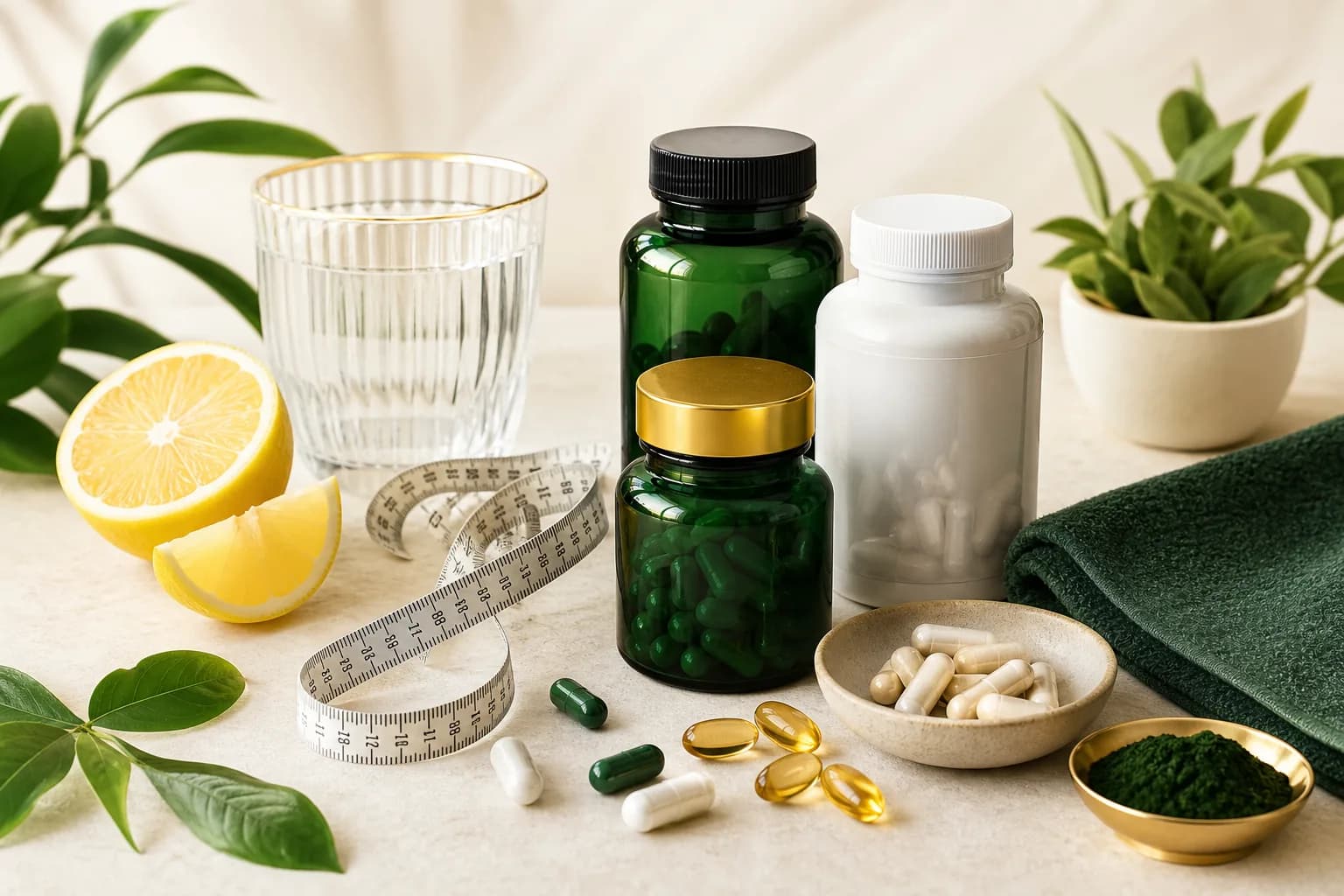
Ikaria Lean Belly Juice vs AquaSculpt: Which Is Better for Belly Fat?
Before buying another formula, review the most common weight loss supplement mistakes and how to make better choices.
Read article
Compare Alternatives
Similar ingredients surfaced automatically from matching wellness categories and ingredient language.
Corosolic Acid
Corosolic acid
Corosolic acid is a triterpenoid compound often sourced from banaba leaf and used in blood sugar support and metabolic wellness formulas.
Read MoreNattokinase
Enzyme from Bacillus subtilis natto
Nattokinase is a proteolytic enzyme derived from natto, a traditional fermented soybean food, and used in supplements for cardiovascular wellness education.
Read MoreBetaine
Trimethylglycine
Betaine, also called trimethylglycine, is a naturally occurring compound used in methylation, homocysteine, sports performance, hydration, and digestive-support supplement contexts.
Read MoreBioFresh™ Clean Complex
Proprietary oral freshness blend
BioFresh Clean Complex is a proprietary blend name used in oral freshness and dental-wellness supplement contexts, best evaluated by its disclosed ingredient list and label transparency.
Read MoreExplore By Health Needs
Browse live wellness categories connected to broader supplement goals.