Lactobacillus Acidophilus
Lactobacillus acidophilus
Lactobacillus Acidophilus is a widely used probiotic species found in digestive support formulas, best compared by strain identity, CFU count, and storage quality.
Lactobacillus Acidophilus Overview
A practical guide to lactobacillus acidophilus, probiotic strain labels, CFU, storage, and safety.
Lactobacillus Acidophilus is a probiotic species used in supplement formulas because of its role in digestive balance, microbiome support, and probiotic supplement education. Probiotic labels can look simple, but a responsible review goes beyond the species name and looks for the exact strain, CFU count, delivery format, expiration dating, and storage instructions.
Probiotics are live microorganisms intended to support a health-related effect when provided in an appropriate amount. That definition makes quality control especially important. A formula should identify what organism is included, how many viable organisms are expected through the end of shelf life, and whether refrigeration or moisture protection is required.
Lactobacillus Acidophilus should not be treated as a universal digestive solution. Different strains within the same species can behave differently. Research on one strain does not automatically apply to every product that uses the same species name. This is why Suppriva treats strain transparency as one of the most important probiotic label details.
For general wellness shoppers, lactobacillus acidophilus may appear in capsules, powders, chewables, lozenges, sachets, oral-care blends, digestive formulas, and multi-strain probiotic stacks. Each format has different practical questions. A lozenge may be designed for oral exposure, while a delayed-release capsule may be designed for digestive delivery.
Safety context is also important. Healthy adults often tolerate probiotics well, but gas, bloating, and stool changes can occur when starting. People who are immunocompromised, medically fragile, hospitalized, have central venous catheters, or are using immune-suppressing medication should not treat live probiotics as casual wellness products without professional guidance.
Antibiotic timing is another common question. Some clinicians recommend separating probiotic use from antibiotic doses, but the right timing depends on the medication, product, and reason for use. A healthcare professional can help decide whether a probiotic is appropriate during or after antibiotic therapy.
When comparing lactobacillus acidophilus, review CFU amount, strain code, blend transparency, prebiotic additions, allergen information, shelf-stability claims, and the expiration date. Higher CFU is not automatically better; the most useful product is the one with the right strain, dose, stability, and safety fit for the intended use.
It is also important to separate general microbiome support from medical treatment language. Probiotics may be part of a wellness routine, but they should not be used to self-treat infections, immune conditions, persistent digestive symptoms, or oral health concerns that require diagnosis. If symptoms are severe, recurring, or unexplained, professional care is the safer path.
Product context can change the practical value of lactobacillus acidophilus. Some formulas pair probiotics with prebiotics such as inulin, while others combine several Lactobacillus or Bifidobacterium species. These blends may be useful for some people, but they can also make it harder to know which strain is responsible for tolerance or results.
Quality signals include strain naming, CFU through expiration, moisture protection, lot testing, allergen disclosure, and realistic directions. If a probiotic product only lists a total blend count without identifying strains, shoppers should be cautious about assuming research support. Clear labeling is especially important for people comparing oral-care probiotics, digestive capsules, and broad microbiome blends.
Suppriva presents probiotic ingredient pages as education, not treatment advice. Lactobacillus Acidophilus may help readers understand supplement labels and compare formulas, but it should not replace medical care, diagnosis, or professional guidance for persistent digestive, oral, immune, or infection-related symptoms.
Good probiotic decisions are practical decisions. Choose labels that are transparent, avoid stacking many new probiotics at once, monitor digestive tolerance, and involve a clinician when there is a medical condition, pregnancy, nursing, immune compromise, or medication complexity.
How Lactobacillus Acidophilus Works
How strain-specific probiotic activity shapes lactobacillus acidophilus supplement positioning.
Strain Identity Matters
Lactobacillus Acidophilus should be compared by exact strain, CFU through expiration, delivery format, storage, and intended use.
Lactobacillus Acidophilus works through strain-specific activity in the gut environment, including lactic acid production, microbial balance support, and interaction with the intestinal barrier. These effects are strain-specific, which means products using the same species name may not be interchangeable.
Probiotic usefulness also depends on whether the organisms remain viable through the end of shelf life and whether the delivery format matches the intended site of action. Storage, moisture protection, and expiration dating all matter.
Because probiotics are live organisms, safety review should include immune status, medical fragility, antibiotic use, pregnancy, nursing, and whether the product is being used for general wellness or a specific health concern.
Probiotic Label Insight
Lactobacillus acidophilus is one of the most familiar probiotic names on supplement and cultured dairy labels.
Potential Lactobacillus Acidophilus Benefits
Educational benefits associated with lactobacillus acidophilus in probiotic formulas.
Strain Label Awareness
Helps shoppers understand why the exact Lactobacillus Acidophilus strain matters more than species name alone.
Microbiome Context
Supports education around digestive or oral microbiome formulas without overstating outcomes.
CFU Comparison
Encourages review of CFU count through expiration, storage, and delivery format.
Safety Screening
Highlights immunocompromised, medically fragile, pregnancy, nursing, and medication cautions.
Format Fit
Helps compare capsules, powders, lozenges, sachets, and multi-strain blends.
Evidence Context
Explains why strain-specific research should not be generalized across all products.
Lactobacillus Acidophilus Uses
Common use contexts for lactobacillus acidophilus in probiotic formulas.
Lactobacillus Acidophilus may appear in products related to digestive balance, microbiome support, and probiotic supplement education. Use depends on exact strain, CFU, delivery format, and the user's health context.
Microbiome Formulas
Used in oral, digestive, or general probiotic products depending on strain and format.
Label Education
Helpful for comparing CFU, strain codes, and storage details.
Routine Review
Useful when matching probiotic products to realistic wellness goals.
Safety Screening
Important for high-risk users and medication context.
Lactobacillus Acidophilus Food Sources
Food and microbiome context for lactobacillus acidophilus.
Lactobacillus Acidophilus may be associated with fermented foods, the oral microbiome, or the digestive microbiome depending on the species and strain. Supplements should still be evaluated separately because strain identity, CFU amount, and viability through expiration are product-specific.
Microbiome Context
Human gastrointestinal and fermented food-associated sources
Supplement Form
Capsule, powder, sachet, chewable, lozenge, or multi-strain blend
Label Check
Look for exact strain, CFU through expiration, storage instructions, and allergen notes.
Typical Lactobacillus Acidophilus Dosage
Serving size depends on strain, CFU count, product format, and storage quality.
Probiotic servings vary by exact strain, CFU count, delivery method, and storage requirements; many products provide billions of CFU per serving, but strain identity matters more than a generic number.
Follow the finished product label rather than assuming all probiotics are equivalent. Look for CFU count through expiration, exact strain names, storage directions, allergen notes, and whether the product is intended for oral, digestive, or general microbiome support.
Start with one probiotic product at a time when possible, monitor tolerance, and ask a healthcare professional for guidance if using antibiotics, immune-suppressing medication, or managing a significant medical condition.
Lactobacillus Acidophilus Safety Information
Important cautions before using lactobacillus acidophilus probiotic supplements.
Side Effects
- Temporary gas or bloating can occur when starting probiotics.
- Some users notice changes in bowel habits during the adjustment period.
- Higher CFU blends may be harder to tolerate for sensitive users.
- Immunocompromised or medically fragile users require professional guidance before using live probiotics.
Lactobacillus Acidophilus Research Notes
A cautious look at strain-specific probiotic evidence.
Research on lactobacillus acidophilus depends heavily on exact strain, dose, population, and outcome. Evidence for one strain should not be generalized to every product with the same species name.
Suppriva presents probiotic research as educational context, not as a promise of personal results or medical benefit.
Strain-Specific Evidence
Exact strain identity matters when interpreting probiotic research.
Finished Product Matters
CFU through expiration, storage, and delivery format affect practical value.
Lactobacillus Acidophilus References
Trusted sources used for general probiotic safety and evidence context.
NIH Office of Dietary Supplements
International Scientific Association for Probiotics and Prebiotics
PubMed biomedical literature
Lactobacillus Acidophilus FAQ
Common questions about lactobacillus acidophilus, CFU, strain identity, storage, and safety.
Lactobacillus Acidophilus is a probiotic species used in supplement formulas for digestive balance, microbiome support, and probiotic supplement education.
Not always. A species name is broader than a strain code. Strain identity is important because evidence and product behavior can vary.
Found In Products
Published Suppriva products connected through the existing ingredient relationship table.
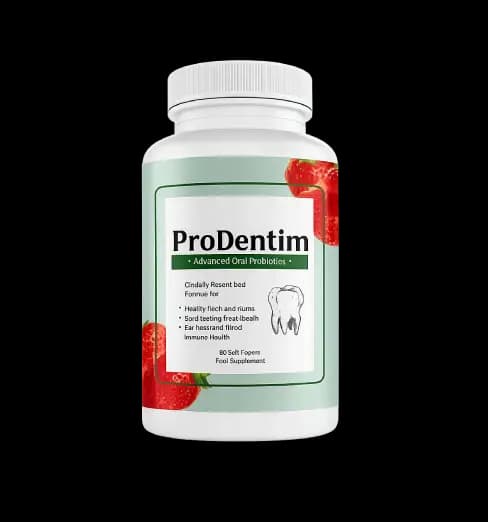
ProDentim
ProDentim is a chewable oral probiotic candy delivering 3.5 billion CFUs per tablet to help rebalance the mouth's microbiome. Formulated with clinically studied strains like B.lactis BL-04® and L. Paracasei, it supports healthier gums, fresher breath, and stronger teeth with daily use.
View productRelated Blogs
Editorial resources automatically matched by ingredient, category, and wellness topic language.

Compare Alternatives
Similar ingredients surfaced automatically from matching wellness categories and ingredient language.
Aloe Vera
Aloe barbadensis miller
Aloe vera is a succulent plant ingredient used in supplements and wellness products for digestive comfort, hydration, and skin-support education.
Read MoreBacillus Coagulans
Bacillus coagulans
Bacillus coagulans is a spore-forming probiotic used in digestive wellness, gut comfort, and shelf-stable supplement education.
Read MoreInulin (Prebiotic Fiber)
Inulin-type fructans from Cichorium intybus and other plants
Inulin is a prebiotic fiber used in gut-health formulas to support beneficial bacteria and digestive regularity, but tolerance depends heavily on dose and starting amount.
Read MorePsyllium Husk
Plantago ovata
Psyllium husk is a soluble fiber from Plantago ovata seed husks, used in supplements for digestive regularity, fiber intake, and everyday gut-health support.
Read MoreExplore By Health Needs
Browse live wellness categories connected to broader supplement goals.