Lion's Mane Mushroom
Hericium erinaceus
Lion's Mane Mushroom is a functional mushroom used in cognitive wellness formulas for focus, learning-support routines, and healthy aging research interest.
Lion's Mane Mushroom Overview
A practical look at lion's mane as a brain and memory wellness ingredient.
Lion's mane mushroom, known scientifically as Hericium erinaceus, is a functional mushroom used in supplements, powders, coffees, capsules, and mushroom blends. It is most often associated with cognitive wellness, focus, memory-support routines, and healthy aging. Its appearance is distinctive: the mushroom has long white spines that resemble a mane, which explains the common name.
Consumers should pay close attention to the part of the mushroom used. Some products use fruiting body, some use mycelium, and some use both. Fruiting body extracts are often preferred by shoppers who want a more traditional mushroom ingredient, while mycelium products may include grain substrate depending on manufacturing. Good labels should disclose the source, extraction method, serving size, and ideally beta-glucan content or other quality markers.
Lion's mane is researched for compounds such as hericenones and erinacines, which are studied for their relationship to nerve growth factor pathways and cognitive health. However, the research is still developing, and supplement users should avoid exaggerated claims. Lion's mane should not be presented as a treatment for dementia, neuropathy, depression, ADHD, or neurological disease. Its responsible role is as a cognitive wellness ingredient that may complement sleep, nutrition, movement, learning habits, and medical care when needed.
In real-world formulas, lion's mane is often paired with other mushrooms, bacopa, citicoline, L-theanine, caffeine, or adaptogens. Those combinations can change the user experience. A stimulant-free lion's mane powder will feel different from a focus product that also contains caffeine. Shoppers should evaluate the full formula rather than assuming lion's mane alone explains the product's effect.
Lion's mane is generally well tolerated by many adults, but mushroom sensitivity, digestive upset, itching, or allergy-like symptoms can occur. People with mushroom allergies, immune conditions, bleeding concerns, pregnancy, nursing, or medication use should consult a qualified healthcare professional before use. As with all supplements, quality testing, transparent sourcing, and realistic expectations matter.
For Suppriva readers, lion's mane mushroom should be evaluated in the same way as any other supplement ingredient: by matching the form to the goal, checking whether the label explains the source clearly, and reviewing the full formula instead of judging one ingredient in isolation. A product that lists Lion's Mane Mushroom alongside several other active ingredients may behave differently from a single-ingredient product. Serving size, standardization, extraction method, route of use, and quality testing can all affect whether the ingredient fits a specific wellness routine.
It is also important to separate educational interest from medical decision-making. Research papers and traditional use can help explain why an ingredient appears in supplements, but they do not mean every consumer product has the same strength or outcome. People with ongoing symptoms, diagnosed conditions, medication use, pregnancy, nursing, or planned surgery should use professional guidance before adding concentrated botanicals, oils, or functional ingredients. This is especially important when an ingredient may overlap with sleep support, blood pressure, blood sugar, immune function, skin sensitivity, or digestive comfort.
The most practical way to compare lion's mane mushroom products is to look for transparent labeling. Strong labels identify the exact ingredient form, botanical or source name, plant part when relevant, amount per serving, intended route of use, cautions, and whether third-party testing is mentioned. Avoid products that make disease-treatment promises or hide important details behind vague blends. Used responsibly, Lion's Mane Mushroom can be part of a thoughtful wellness routine, but it should complement balanced nutrition, healthy lifestyle habits, and qualified medical care when needed.
How Lion's Mane Mushroom Works
Lion's mane is researched for mushroom compounds connected to nerve and cognitive wellness pathways.
Fruiting body versus mycelium
Lion's mane products can differ by plant part, extraction method, beta-glucan content, and whether they disclose fruiting body or mycelium.
Lion's mane works through mushroom-derived compounds that are studied in relation to nerve and cognitive wellness pathways. Research interest includes hericenones, erinacines, beta-glucans, and other constituents that vary by mushroom part and extraction method.
The ingredient is not an instant stimulant. Many lion's mane products are used consistently over time as part of a broader focus or healthy aging routine. The overall formula, dose, and extract quality influence the expected experience.
Because human evidence is still developing, lion's mane is best viewed as a supportive functional mushroom ingredient rather than a proven medical treatment.
Functional Mushroom Note
Lion's mane is named for its shaggy white appearance, and products may use the fruiting body, mycelium, or both, which can affect label comparison.
Potential Lion's Mane Mushroom Benefits
Benefits depend on form, quality, serving size, and overall wellness routine.
Cognitive Wellness Support
Lion's mane is commonly positioned in formulas designed for focus, learning, and healthy cognitive routines.
Functional Mushroom Profile
It contributes mushroom-derived compounds such as beta-glucans and other bioactives to wellness products.
Healthy Aging Interest
Research interest around lion's mane often focuses on nerve and brain health pathways, though more human research is needed.
Daily Routine Fit
Powders and drink mixes make lion's mane easy to include in morning wellness routines.
Immune Context
Like many mushrooms, it contains beta-glucans that are commonly discussed in immune-support contexts.
Label Comparison Value
Lion's mane helps users compare fruiting body, mycelium, extract ratio, beta-glucans, and testing transparency.
Lion's Mane Mushroom Uses
Common wellness contexts where lion's mane mushroom appears.
Lion's Mane Mushroom is commonly used in cognitive wellness, focus routines, and functional mushroom blends. Product positioning should remain educational and should not imply disease treatment.
Supplement Formulas
Cognitive wellness, focus routines, and functional mushroom blends
Label Research
Useful for comparing form, dose, and safety notes.
Wellness Education
Best understood as one part of a broader routine.
Lion's Mane Mushroom Sources
Where this ingredient naturally comes from or how it is typically sourced.
Lion's Mane Mushroom is typically sourced from fruiting body and sometimes mycelium of Hericium erinaceus. Supplement formats may differ from culinary or traditional preparations, so label form and intended use matter.
Primary Source
Hericium erinaceus
Common Form
Capsule, powder, extract, drink mix
Label Check
Review plant part, serving size, extraction method, and safety directions.
Typical Lion's Mane Mushroom Dosage
Serving size depends on the product format and label directions.
Lion's mane serving sizes commonly range from several hundred milligrams to a few grams daily, depending on whether the product uses powder, extract, fruiting body, mycelium, or a blend. Always follow the product label.
Start with the suggested serving and monitor tolerance. People with mushroom allergies, immune conditions, bleeding disorders, pregnancy, nursing, or medication use should seek professional guidance before using lion's mane supplements.
Lion's Mane Mushroom Safety Information
Use label directions carefully and consider personal sensitivity, medication use, and health status.
Side Effects
- Some users may experience gas, nausea, stomach discomfort, or loose stools.
- Mushroom-sensitive individuals may develop rash, itching, breathing symptoms, or other reactions.
- Some users report headache or discomfort, especially when lion's mane is combined with other nootropic ingredients.
- Effects may come from caffeine, adaptogens, or other ingredients in combination products.
Drug Interactions
- Discuss use with a clinician if taking blood thinners or managing bleeding concerns.
- Use caution with immune-modulating medications or immune system conditions.
- Review combination formulas that include caffeine, stimulants, or other nootropics.
- Ask a healthcare professional before surgery, pregnancy, nursing, or pediatric use.
Who Should Avoid
- People with known mushroom allergy or sensitivity.
- People with immune conditions unless cleared by a healthcare professional.
- People taking blood thinners or preparing for surgery without guidance.
- Pregnant or nursing users unless advised by a qualified clinician.
- Anyone expecting lion's mane to replace neurological or mental health treatment.
Lion's Mane Mushroom Research Notes
A responsible summary of the research context.
Research on lion's mane mushroom varies by preparation, dose, and study design. Human evidence may be limited for some uses, so supplement labels should be interpreted carefully and without disease-treatment assumptions.
Evidence Context
Research quality depends on form, dose, and population studied.
Practical Use
Use supplements as supportive tools, not replacements for care.
Lion's Mane Mushroom References
Trusted educational references used for responsible content framing.
NIH and PubMed
General safety and research context for dietary supplement education.
Clinical Herb and Supplement References
Used to frame interactions, cautions, and label-awareness guidance.
Lion's Mane Mushroom FAQs
Common questions about lion's mane mushroom supplements and label comparison.
It is commonly used in cognitive wellness, focus, memory-support, and functional mushroom formulas.
No. Lion's mane itself is caffeine-free, but some products combine it with coffee or stimulants.
Found In Products
Published Suppriva products connected through the existing ingredient relationship table.
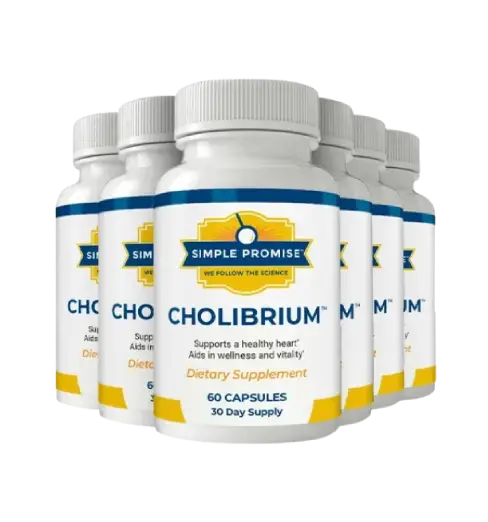
Cholibrium
Cholibrium is a daily capsule with Reishi, Shiitake, and Lion's Mane supporting heart health and healthy cholesterol.
View product
Related Blogs
Editorial resources automatically matched by ingredient, category, and wellness topic language.

Ikaria Lean Belly Juice vs AquaSculpt: Which Is Better for Belly Fat?
Before buying another formula, review the most common weight loss supplement mistakes and how to make better choices.
Read article
Compare Alternatives
Similar ingredients surfaced automatically from matching wellness categories and ingredient language.
Alpha-GPC
L-alpha-glycerylphosphorylcholine
Alpha-GPC is a choline-containing compound used in cognitive support supplements for focus, memory, acetylcholine-pathway education, and performance stack comparison.
Read MoreBacopa Monnieri
Bacopa monnieri
Bacopa monnieri is a botanical extract used in memory, focus, cognitive wellness, and nootropic supplement education.
Read MoreHuperzine A
Huperzine A from Huperzia serrata
Huperzine A is a potent nootropic compound used in memory and focus formulas, best evaluated by dose precision, cycling guidance, and medication-safety context.
Read MoreExplore By Health Needs
Browse live wellness categories connected to broader supplement goals.