Purple Carrot Powder
Daucus carota subsp. sativus
Purple carrot powder is a color-rich botanical powder made from purple carrots and used in wellness formulas for antioxidant-focused nutrition and natural phytonutrient support.
What Is Purple Carrot Powder?
A guide to purple carrot powder, anthocyanins, and antioxidant-focused formulas.
Purple carrot powder is made from purple varieties of Daucus carota, the same broad carrot species as orange carrots but with a deeper pigment profile. The purple color comes largely from anthocyanins, a group of plant compounds also found in foods such as berries, purple corn, and black rice. In supplement and functional food labels, purple carrot powder is usually positioned as a color-rich botanical ingredient rather than a concentrated vitamin or mineral.
Unlike a standardized extract that may target one marker compound, purple carrot powder is typically closer to a whole-food style ingredient. It can contain naturally occurring pigments, fiber fractions, and other carrot phytonutrients depending on how it is dried and processed. This makes it useful in greens powders, antioxidant blends, drink mixes, and natural color systems where the ingredient supports both visual appeal and wellness-oriented label language.
The most practical way to evaluate purple carrot powder is to look at form, serving size, and processing quality. Freeze-dried or gently dried powders may be marketed differently than conventional vegetable powders. Some labels disclose anthocyanin content, while others simply list the ingredient as a food powder. Products that rely on purple carrot mainly for color may use smaller amounts than products that present it as a meaningful botanical component.
Purple carrot powder is not a substitute for eating vegetables. It may help add plant compounds to a formula, but it does not fully replace the texture, volume, and broader nutrient profile of whole vegetables. For that reason, Suppriva treats it as an ingredient to understand within a product's overall formula rather than as a standalone solution.
Because purple carrot powder is food-based, it is generally easy to understand for most consumers. Still, people with carrot allergy, sensitivity to root vegetables, or strict dietary requirements should review labels carefully. Formulas may combine purple carrot with sweeteners, caffeine sources, probiotics, mushrooms, or herbal extracts that change the safety profile of the finished product.
This ingredient page helps readers compare purple carrot powder by source, color intensity, serving size, supporting ingredients, and intended use. It is most useful when reading antioxidant, superfood, beauty, and general wellness labels that use plant pigments as part of a broader nutritional story.
A useful way to read a Purple Carrot Powder label is to separate ingredient identity from product promise. Ingredient identity includes the exact name, source, form, and serving size. Product promise is the marketing language around what the finished formula is meant to support. This distinction helps shoppers compare products without assuming that every Purple Carrot Powder supplement is equivalent or that a single ingredient can replace nutrition, sleep, movement, medical care, or a clinician-guided plan.
It is also important to review the surrounding formula. Purple Carrot Powder may appear alone, but it is often combined with complementary nutrients, botanicals, fibers, enzymes, or specialty delivery systems. Those companion ingredients can change the intended audience, tolerability, and safety considerations. A formula designed for digestive wellness, immune support, antioxidant support, or men's wellness may use the same ingredient name while creating a very different product experience.
For Suppriva readers, the goal is practical ingredient literacy. Look for transparent amounts, clear directions, safety language, and realistic claims. If a product hides key amounts in a proprietary blend or uses disease-treatment language, it deserves extra caution. When health conditions, pregnancy, nursing, medication use, surgery, or persistent symptoms are involved, a qualified healthcare professional should guide supplement decisions.
How Purple Carrot Powder Works
Its role is mainly nutritional, color-rich, and antioxidant focused.
Anthocyanin-Rich Color
The deep purple color signals naturally occurring plant pigments that are often used in antioxidant-positioned formulas.
Purple carrot powder works as a plant-food ingredient rather than a targeted drug-like compound. It contributes naturally occurring anthocyanins and other phytonutrients that help support the antioxidant positioning of a formula. The amount present depends on serving size, processing, and whether the powder is used for nutrition, color, or both.
In drink powders and superfood blends, purple carrot powder may support flavor, color, and label appeal. Its deep color can help reduce the need for synthetic colorants while also giving the formula a more recognizable plant-based identity.
When comparing products, look for clear serving size, source disclosure, and whether the formula includes other antioxidant ingredients such as berries, pomegranate, grape seed, vitamin C, or green tea extract.
Natural Purple Pigments
Purple carrots contain anthocyanin pigments, the same broad family of plant compounds responsible for many red, blue, and purple colors in fruits and vegetables.
Potential Purple Carrot Powder Benefits
Benefits depend on formula quality, serving size, personal needs, and overall wellness routine.
Color-Rich Antioxidant Support
Provides naturally occurring purple pigments associated with antioxidant-focused plant nutrition.
Whole-Food Style Ingredient
Often used as a vegetable powder rather than a highly isolated compound.
Supports Drink Mix Appeal
Can improve color and plant-forward positioning in powders and blends.
Fits General Wellness Formulas
Pairs well with fruit, berry, greens, and polyphenol ingredients.
Label-Friendly Botanical
Easy for consumers to recognize as a food-derived ingredient.
Useful for Ingredient Education
Helps explain anthocyanins, plant pigments, and color-based phytonutrients.
Purple Carrot Powder Uses
Common wellness contexts where purple carrot powder antioxidants appears.
Purple Carrot Powder is commonly used in antioxidant blends, greens powders, and plant-based wellness formulas. Product positioning should remain educational and should not imply disease treatment.
Supplement Formulas
Antioxidant blends, greens powders, and plant-based wellness formulas
Label Research
Useful for comparing form, dose, standardization, and safety notes.
Wellness Education
Best understood as one part of a broader health routine.
Purple Carrot Powder Sources
Where this ingredient naturally comes from or how it is typically sourced.
Purple Carrot Powder is associated with purple carrot root. Supplement formats can differ from food, traditional, or clinical preparations, so label form and intended use matter.
When available, compare the source material, extract type, serving size, and whether the formula uses standardized or branded ingredients.
Purple Carrots
The primary source is purple varieties of Daucus carota.
Functional Powders
Often used in greens powders, antioxidant blends, and drink mixes.
Natural Color Systems
May be used for color as well as phytonutrient positioning.
Typical Purple Carrot Powder Dosage
Serving size depends on product form, label directions, and individual safety factors.
Purple carrot powder serving sizes vary widely because some products use it as a meaningful food powder while others use it mainly for color. Follow the product label and compare the amount listed per serving when available.
Standalone vegetable powders may use gram-based servings. Multi-ingredient antioxidant or greens formulas may include smaller amounts within a blend. If a product uses a proprietary blend, the exact amount may not be clear.
Purple carrot powder should be viewed as supportive nutrition, not a replacement for vegetables, balanced meals, or medical care.
Purple Carrot Powder Safety Information
Use label directions carefully and consider personal sensitivity, medication use, and health status.
Side Effects
- Large amounts of vegetable powders may cause gas or digestive changes in sensitive users.
- People with carrot allergy should avoid carrot-derived ingredients.
- Deep pigments may affect the color of powders, drinks, or occasionally stool depending on intake.
- Side effects may come from other ingredients in the finished product, not purple carrot alone.
Purple Carrot Powder Research Notes
A responsible summary of the research context.
Research on purple carrot powder antioxidants varies by preparation, dose, and study design. Human evidence may be limited for some uses, so supplement labels should be interpreted carefully and without disease-treatment assumptions.
Evidence Context
Research quality depends on form, dose, population, and outcome measured.
Practical Use
Use supplements as supportive tools, not replacements for care.
Purple Carrot Powder References
Trusted educational references used for responsible content framing.
NIH, NCCIH, and PubMed
General safety and research context for dietary supplement education.
Clinical Herb and Supplement References
Used to frame interactions, cautions, and label-awareness guidance.
Purple Carrot Powder FAQs
Common questions about purple carrot powder antioxidants supplements and label comparison.
It is a powdered ingredient made from purple carrots and used for plant pigments, color, and antioxidant-focused nutrition.
The color comes largely from anthocyanin pigments naturally found in purple carrot varieties.
Found In Products
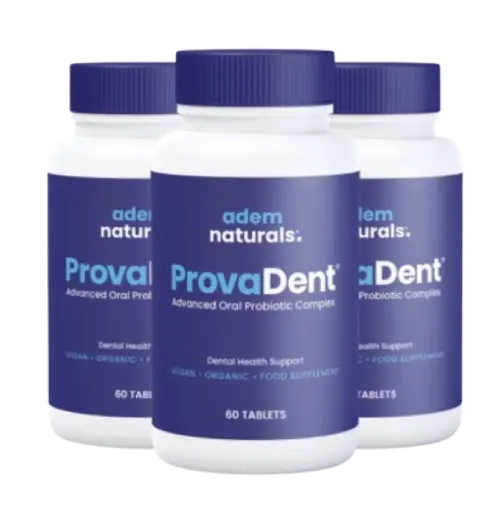
Published Suppriva products connected through the existing ingredient relationship table.
Related Blogs
Editorial resources automatically matched by ingredient, category, and wellness topic language.
Ikaria Lean Belly Juice vs AquaSculpt: Which Is Better for Belly Fat?
Before buying another formula, review the most common weight loss supplement mistakes and how to make better choices.
Read article
Compare Alternatives
Similar ingredients surfaced automatically from matching wellness categories and ingredient language.
Baicalein
Baicalein; commonly associated with Scutellaria baicalensis
Baicalein is a plant flavone commonly discussed in antioxidant, botanical, and Chinese skullcap extract supplement education.
Read MoreChrysin
5,7-dihydroxyflavone
Chrysin is a naturally occurring flavonoid found in passionflower, honey, and propolis, often discussed in antioxidant and hormone-support supplement contexts.
Read MoreCoQ10 (Coenzyme Q10)
Ubiquinone / ubiquinol
CoQ10 is a vitamin-like compound involved in mitochondrial energy production and antioxidant defense, often used in heart health and healthy aging formulas.
Read MoreFucoxanthin
Marine carotenoid from brown seaweed
Fucoxanthin is a brown seaweed carotenoid studied for antioxidant activity and weight-management formula context.
Read MoreExplore By Health Needs
Browse live wellness categories connected to broader supplement goals.