Zinc
Zinc
Zinc is an essential trace mineral used in immune, prostate, skin, reproductive, metabolic, and daily wellness formulas.
What Is Zinc?
A practical guide to zinc forms, mineral dosage, immune formulas, and safe upper-limit awareness.
Zinc is included in Suppriva's ingredient library because it appears in supplement formulas that shoppers often compare for immune support, prostate health, skin wellness, reproductive health, and daily mineral formulas. A strong ingredient profile should do more than repeat front-label claims. It should explain what the ingredient is, how it is usually presented on labels, what form details matter, and which safety questions deserve attention before someone adds it to a daily routine.
Identity is especially important for zinc. Labels may use a nutrient name, botanical name, mushroom species, seaweed extract, standardized marker, or specific salt form. Those details can change how a supplement is positioned and how consumers should evaluate it. For this ingredient, readers should look for the source, serving size, form, standardization details, companion ingredients, and whether the directions are clear enough for consistent use.
Zinc supports normal immune function, enzyme activity, cell division, protein synthesis, wound-healing processes, and reproductive health biology. This educational context should not be read as a promise that the ingredient treats, cures, or prevents disease. Suppriva keeps the language wellness-focused because supplements are best understood as optional support tools, not substitutes for diagnosis, medication, treatment, or individualized medical care.
The finished formula can change the user experience. Zinc may appear by itself or in blends with vitamins, minerals, botanicals, probiotics, antioxidants, amino acids, oils, or specialty extracts. Two products may list the same ingredient while using different amounts, delivery formats, and intended wellness goals. This is why the full Supplement Facts panel matters as much as the ingredient name.
Quality signals are practical. A transparent product should explain its serving size, source material, instructions, intended audience, and relevant cautions. If a product hides important amounts in broad proprietary blends or uses aggressive disease-treatment language, it deserves extra scrutiny. A careful shopper should also compare third-party testing claims, allergen notes, and whether the product makes sense alongside other supplements already being used.
Safety depends on dose, form, health history, and context. Some ingredients are essential nutrients that can still be overused. Others are concentrated botanicals, mushrooms, seaweed extracts, or specialty compounds that may not be appropriate for everyone. Medication use, pregnancy, nursing, surgery plans, allergies, and diagnosed conditions can all change whether an ingredient is a good fit.
A balanced wellness routine matters more than a single ingredient. Sleep, nutrition, movement, hydration, stress management, and professional care all influence outcomes. Zinc may support a product's intended wellness theme, but it cannot compensate for unsafe dosing, unclear labels, unrealistic expectations, or ignored medical symptoms.
This Suppriva page is designed to help readers ask better questions before comparing products: What form is used? Is the dose clear? Does the formula explain why this ingredient is included? Are there interactions or condition-specific cautions? Does the product describe realistic support instead of implying medical treatment? These questions make ingredient research more useful and less dependent on marketing language.
Use this profile as a practical label-reading guide for zinc. It brings together overview context, how-it-works notes, benefits, dosage considerations, safety information, side effects, interactions, food or source details, and FAQs so shoppers can make more informed supplement decisions.
How Zinc Works
Zinc appears in many formulas where form, dose, and copper balance matter.
Watch Total Intake
Zinc can appear in multivitamins, immune formulas, lozenges, and men's wellness products at the same time.
Zinc supplements may list forms such as zinc picolinate, citrate, gluconate, oxide, acetate, or bisglycinate. Each form has different label positioning.
Because zinc is an essential mineral, users should compare total daily intake across all supplements and avoid chronic excessive use unless medically directed.
Because zinc may appear in multi-ingredient products, the full formula should always be reviewed before making assumptions about expected results or safety.
Trace Mineral
Zinc is essential, but more is not always better because excessive zinc can interfere with copper status.
Potential Zinc Benefits
Benefits depend on form, serving size, formula quality, and the user's overall wellness routine.
Immune Support
Supports normal immune system function.
Men's Wellness Context
Commonly included in prostate and reproductive health formulas.
Skin Wellness
Often appears in skin and beauty supplement blends.
Enzyme Function
Involved in many normal enzyme processes.
Form Comparison
Helps shoppers compare zinc forms and milligram amounts.
Copper Balance Awareness
Highlights the need to avoid excessive long-term zinc intake.
Zinc Uses
Common wellness contexts where zinc appears.
Zinc is commonly used in immune support, prostate health, skin wellness, reproductive health, and daily mineral formulas. Product positioning should remain educational and should not imply disease treatment.
Supplement Formulas
Immune support, prostate health, skin wellness, reproductive health, and daily mineral formulas
Label Research
Useful for comparing source, form, dose, and safety notes.
Wellness Education
Best understood as one part of a broader health routine.
Zinc Sources
Where this ingredient naturally comes from or how it is typically sourced.
Zinc is found in oysters, meat, poultry, seafood, beans, nuts, seeds, dairy, and fortified foods. Supplements may use several mineral forms.
Supplement preparations may differ from food, traditional, or clinical forms. Compare source material, processing, serving size, standardization, and whether the ingredient appears alone or in a broader blend.
Animal Foods
Oysters, beef, poultry, and seafood are common sources.
Plant Foods
Beans, nuts, seeds, and grains provide zinc with varying absorption.
Supplements
Capsules, tablets, lozenges, and multivitamins.
Typical Zinc Dosage
Serving size depends on product form, label directions, and personal safety factors.
Labels should disclose elemental zinc amount in milligrams. Zinc may appear in immune blends, multivitamins, lozenges, prostate formulas, or skin products.
Long-term high zinc intake may affect copper status and cause side effects. Use professional guidance for high-dose zinc or deficiency concerns.
Do not exceed label directions. Ask a qualified healthcare professional before use if you take medication, manage a health condition, are pregnant or nursing, are buying for a child, or are preparing for surgery.
Zinc Safety Information
Review zinc safety based on form, dose, personal health status, and medication use.
Side Effects
- Zinc commonly causes nausea if taken on an empty stomach.
- Lozenges or high-dose products may cause taste changes.
- Excessive long-term zinc can interfere with copper.
- Stomach pain or diarrhea may occur.
Zinc Research Notes
A responsible summary of the research context.
Research on zinc varies by preparation, dose, population, and outcome measured. Evidence should be interpreted carefully and without disease-treatment assumptions.
Evidence Context
Research quality depends on form, dose, population, and outcome measured.
Practical Use
Use supplements as supportive tools, not replacements for care.
Zinc References
Reference categories used for responsible ingredient education.
Clinical Context
Review nutrient, botanical, or specialty ingredient evidence by form and dose.
Safety Context
Consider medication use, allergies, pregnancy, nursing, and diagnosed conditions.
Label Context
Compare Supplement Facts details, standardization, and directions.
Zinc FAQs
Common questions about zinc supplements and label comparison.
Zinc is an essential trace mineral required for many normal body functions.
It is commonly used in supplements positioned for immune support, prostate health, skin wellness, reproductive health, and daily mineral formulas.
Found In Products
Published Suppriva products connected through the existing ingredient relationship table.
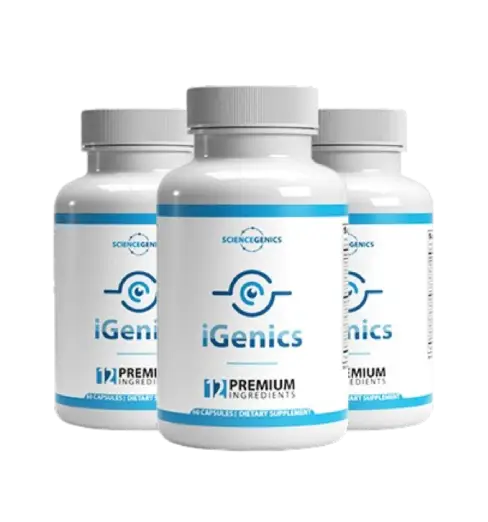
iGenics
iGenics is a daily capsule with AREDS-2 nutrients, Bilberry, and Ginkgo Biloba supporting eye health and vision clarity.
View product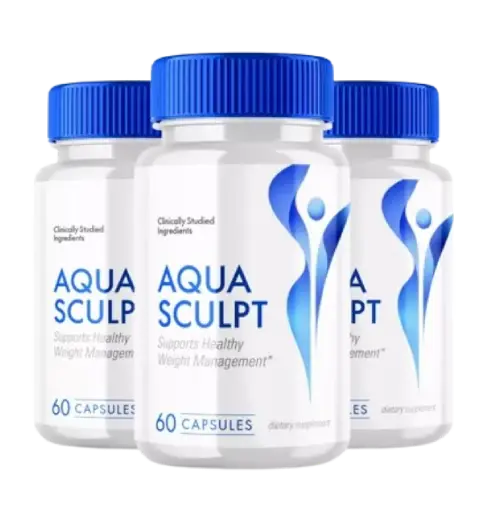
AquaSculpt
AquaSculpt is a daily capsule with Green Tea Extract, L-Carnitine, and Berberine supporting metabolism and fat-burning.
View product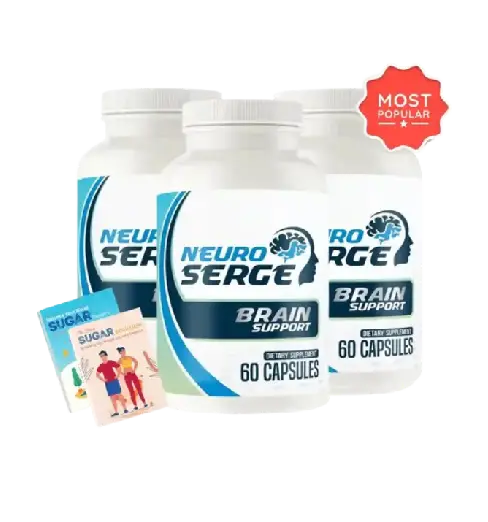
Neuro Serge
Neuro Serge is a daily brain health supplement formulated with 20+ botanical ingredients to support memory, focus, mental clarity, and cognitive wellness.
View product
Related Blogs
Editorial resources automatically matched by ingredient, category, and wellness topic language.

Ikaria Lean Belly Juice vs AquaSculpt: Which Is Better for Belly Fat?
Before buying another formula, review the most common weight loss supplement mistakes and how to make better choices.
Read article
Compare Alternatives
Similar ingredients surfaced automatically from matching wellness categories and ingredient language.
Explore By Health Needs
Browse live wellness categories connected to broader supplement goals.