Berberine
Berberis species alkaloid
Berberine is a yellow plant alkaloid found in several botanicals and commonly discussed in metabolic, blood sugar, cholesterol, and gut-focused supplement formulas.
What Is Berberine?
A label-focused guide to berberine, its botanical origin, metabolic research context, and safety considerations.
Berberine is reviewed in Suppriva as a practical supplement ingredient, not as a cure or replacement for medical care. Readers usually encounter it on labels connected to metabolic wellness, blood sugar support, cholesterol-support formulas, and gut microbiome research. The most useful way to understand it is to look at the exact form, serving size, companion ingredients, safety cautions, and whether the label explains its purpose clearly.
Berberine is often sold as berberine HCl, berberine sulfate, or as part of a blend with ingredients such as chromium, cinnamon, alpha lipoic acid, milk thistle, or probiotics. A shopper comparing products should avoid treating every label mention as identical. The same ingredient name can appear as a standalone capsule, part of a blend, a standardized extract, a probiotic strain, or a proprietary complex. Those differences can change how the ingredient is positioned and how carefully the serving directions should be reviewed.
Suppriva's ingredient pages are written for education and label literacy. For Berberine, that means explaining what the ingredient is, why it appears in wellness products, what kinds of claims are reasonable, and which safety questions deserve attention. The goal is to help readers compare supplement facts panels with more confidence before they choose a product.
Berberine has been studied in human and laboratory research for pathways related to glucose metabolism, lipid markers, gut microbial balance, and AMPK-related cellular signaling. Evidence should be interpreted conservatively. A supportive study, traditional use pattern, or plausible mechanism does not guarantee that a finished supplement will produce a specific result. Formulation quality, dose, lifestyle context, health status, and medication use all matter. Responsible labels should avoid disease-treatment promises and should encourage professional guidance when appropriate.
When evaluating Berberine, look for a clear ingredient form, transparent dosage, serving frequency, third-party quality language when available, allergen notes, and warnings for sensitive groups. If the ingredient is part of a multi-ingredient formula, review the full formula rather than judging the ingredient in isolation. Stacking several formulas with overlapping ingredients can unintentionally increase total intake.
Berberine deserves extra safety attention because it may affect glucose handling, digestive tolerance, liver enzyme pathways, and medication-sensitive routines. Anyone who is pregnant, nursing, taking prescription medication, managing a diagnosed condition, preparing for surgery, or buying for a child should speak with a qualified healthcare professional before using a new supplement. This educational profile is designed to support research and discussion, not to provide personal medical advice.
A good berberine page should also help readers distinguish ingredient education from personal treatment decisions. Someone comparing a berberine product for general metabolic wellness should look at diet, activity, sleep, medication history, and lab monitoring as separate parts of the decision. Berberine labels can sound similar, but responsible products avoid implying that a supplement can replace prescribed diabetes, cholesterol, or digestive care. If a reader is already using a glucose-lowering plan, the most important next step is professional review rather than simply adding another supplement.
For this reason, Suppriva treats the ingredient as part of a larger decision: label clarity, realistic expectations, safety review, and fit within an everyday wellness routine all matter before purchase.
How Berberine Works
Berberine is researched for metabolic signaling and gut-related mechanisms, but product quality and safety context matter.
Metabolic Signaling Context
Berberine is often compared by form, dose, digestive tolerance, and whether the formula includes complementary metabolic-support nutrients.
Berberine is best understood through its main functional role: cellular signaling, gut exposure, and metabolic pathway research. This does not mean it works instantly or that every product containing it will perform the same way. The mechanism simply helps explain why brands include it in certain formulas and which product labels deserve closer comparison.
Berberine is commonly discussed in relation to AMPK signaling, bile acid and gut microbiome interactions, and markers connected to glucose and lipid metabolism. For shoppers, the key question is whether the product provides enough context to judge the ingredient responsibly. A useful label should explain the form, amount, serving directions, and any complementary ingredients that influence how the formula is positioned.
Because supplements are used by people with different routines, health histories, diets, and medication profiles, Berberine should be evaluated with realistic expectations. It may support a wellness routine when used appropriately, but it should not be used to diagnose, treat, cure, or prevent disease.
Botanical Insight
Berberine's bright yellow color is so distinctive that berberine-containing plants have historically been associated with natural dye uses as well as traditional herbal use.
Potential Benefits of Berberine
Educational benefits commonly discussed for berberine in metabolic and label-comparison contexts.
Metabolic Research Context
Berberine is frequently studied for pathways connected to glucose and lipid metabolism.
Label Comparison Value
Products can be compared by form, amount, serving frequency, and whether safety cautions are clearly listed.
Botanical Alkaloid Profile
Berberine helps readers understand the difference between whole herbs and concentrated plant alkaloids.
Gut Exposure
Because berberine has meaningful gut exposure, digestive tolerance and microbiome context are important.
Formula Pairing Awareness
It is often paired with chromium, cinnamon, alpha lipoic acid, probiotics, or milk thistle in metabolic formulas.
Evidence-Informed Education
A responsible review focuses on realistic support language, not disease-treatment promises.
Food Sources
Berberine is not a typical dietary nutrient.
Berberine is found in certain medicinal plants rather than common everyday foods. Supplement labels usually use concentrated extracts or purified berberine forms.
Barberry
A berberine-containing botanical source.
Oregon Grape
Another plant associated with berberine alkaloids.
Goldenseal
A traditional botanical source that requires careful safety review.
Typical Berberine Dosage
Serving sizes vary widely; compare form, frequency, and tolerance before stacking products.
Many berberine supplements provide 500 mg per serving, but labels vary in total daily amount, serving frequency, and companion ingredients. Some products suggest taking berberine with meals, while others combine it with nutrients that change the formula's positioning.
Do not assume that more is better. Higher amounts may increase digestive side effects and may be inappropriate for people using blood sugar medication, anticoagulants, antibiotics, immunosuppressants, or other prescription drugs. Follow the label and discuss use with a qualified healthcare professional when risk factors apply.
Berberine Safety Information
Berberine can affect digestive tolerance and may interact with medications, especially glucose-lowering or liver-metabolized drugs.
Side Effects
- Gas, nausea, stomach upset, constipation, or loose stools are among the most commonly reported tolerance issues.
- Bowel changes may occur, particularly when starting at higher amounts or stacking formulas.
- Cramping or queasiness may be more likely when taken without regard to label directions.
- Some users report headaches or general discomfort, which should prompt reassessment.
Berberine FAQs
Common questions about Berberine, supplement labels, dosage context, and safety.
Berberine is a naturally occurring plant alkaloid found in botanicals such as barberry, goldenseal, Oregon grape, and related plants. Suppriva covers it as an educational ingredient so shoppers can compare supplement labels more carefully.
It is commonly positioned around metabolic wellness, blood sugar support, cholesterol-support formulas, and gut microbiome research. The exact purpose depends on the ingredient form, serving size, and the full formula.
Found In Products
Published Suppriva products connected through the existing ingredient relationship table.
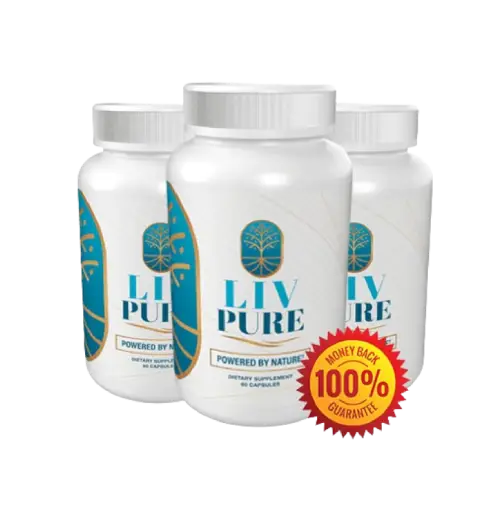
Liv Pure
Liv Pure is a daily capsule with Milk Thistle, Berberine, and Green Tea supporting liver health and metabolism.
View product

Related Blogs
Editorial resources automatically matched by ingredient, category, and wellness topic language.
Compare Alternatives
Similar ingredients surfaced automatically from matching wellness categories and ingredient language.
Berberine HCl
Berberine hydrochloride
Berberine HCl is a common supplement form of berberine, used on labels for metabolic wellness, blood sugar support, and ingredient comparison.
Read MoreBitter Melon Extract
Momordica charantia
Bitter Melon Extract is a botanical ingredient from Momordica charantia used in blood sugar, metabolic, and traditional herbal supplement formulas.
Read MoreBlack Cohosh Root
Actaea racemosa
Black Cohosh Root is a botanical ingredient from Actaea racemosa used in women's wellness and menopause-support supplement formulas.
Read MoreBoswellia Serrata
Boswellia serrata
Boswellia serrata is a resin extract rich in boswellic acids, often used in joint, mobility, and inflammatory-response wellness formulas.
Read MoreExplore By Health Needs
Browse live wellness categories connected to broader supplement goals.