Coleus Forskohlii (Forskolin)
Coleus forskohlii
Coleus forskohlii is a botanical root extract commonly standardized for forskolin and used in weight-management and metabolic wellness formulas.
What Is Coleus Forskohlii?
A forskolin-containing root extract used in body-composition and metabolic support supplements.
Coleus forskohlii is a plant in the mint family whose root contains forskolin, a compound widely discussed in supplement research and marketing. In products, the ingredient may be listed as Coleus forskohlii, forskolin, or a standardized root extract with a stated forskolin percentage.
The ingredient is best known for its connection to cyclic AMP, or cAMP, a cell-signaling molecule involved in many biological processes. This research background is why Coleus forskohlii appears in weight-management, body-composition, thyroid-support, and metabolic wellness formulas. However, supplement claims should remain conservative.
Coleus forskohlii should not be described as a treatment for obesity, thyroid disease, asthma, glaucoma, blood pressure disorders, or hormone conditions. Human supplement evidence is limited and mixed, and any effect depends on dose, extract standardization, health status, and the full formula.
Many products standardize Coleus forskohlii for 10 percent, 20 percent, or another forskolin amount. This matters because 250 mg of root extract is not the same as 250 mg of pure forskolin. Users should compare both the extract amount and the forskolin percentage when evaluating products.
Coleus forskohlii is frequently paired with caffeine, green tea extract, CLA, chromium, L-carnitine, guggul, or thyroid-positioned nutrients. These stacks can be more stimulating or interaction-prone than Coleus alone. Blood pressure, heart rate, medication use, and stimulant sensitivity all matter.
Safety concerns include digestive upset, headache, flushing, low blood pressure, dizziness, increased heart rate, bleeding risk, and possible interaction concerns with blood pressure or blood-thinning medications. People with heart conditions, low blood pressure, bleeding disorders, surgery plans, pregnancy, nursing, or glaucoma medication use should seek professional guidance.
For Suppriva readers, Coleus Forskohlii is a useful example of how a single standardized botanical can become popular in weight-management supplements. Its educational value comes from understanding forskolin standardization, cautious claims, and interaction risk rather than expecting dramatic standalone results.
The ingredient also shows why standardization can be both helpful and misunderstood. A label that lists 20 percent forskolin is more specific than a generic root powder, but it still does not prove that the product will deliver a meaningful body-composition outcome. Standardization improves comparison; it does not remove the need for evidence and safety review.
Users should pay close attention to stimulant blends that include Coleus. A formula with caffeine, green tea extract, synephrine-like ingredients, or several metabolism-positioned herbs may affect heart rate, blood pressure, sleep, or anxiety in sensitive people. The full stack matters more than the single ingredient.
Coleus forskohlii may be most appropriate as an ingredient research topic for people comparing metabolic formulas. It is less appropriate for people with cardiovascular concerns, surgery plans, blood-thinning medication, or expectations that forskolin can replace diet quality, activity, and medical care.
A good product evaluation starts with the Supplement Facts panel. Users should check the amount of Coleus extract, the forskolin percentage, caffeine content, and whether the formula includes additional blood pressure or thyroid-positioned ingredients. This helps separate thoughtful metabolic support from overbuilt stimulant stacks.
Coleus is also a reminder that cellular mechanisms are not the same as clinical outcomes. cAMP signaling is scientifically interesting, but supplement decisions should still be based on human relevance, safety, and realistic expectations. That balanced view makes the ingredient easier to compare without overstating benefits.
How Coleus Forskohlii Works
Coleus forskohlii is studied for forskolin and cAMP-related cell-signaling pathways.
Forskolin Pathway Support
Forskolin is researched for its influence on cAMP, but supplement effects depend on dose, extract quality, and user context.
Forskolin is known for influencing cAMP-related signaling in cells. This is the main reason Coleus forskohlii appears in metabolic and body-composition formulas.
Cell-signaling research does not automatically mean predictable weight-loss outcomes. The ingredient should be evaluated through human evidence, product quality, and safety context.
Because Coleus may influence blood pressure, heart rate, and bleeding risk, it requires more caution than many basic wellness ingredients.
Forskolin Standardization
Coleus forskohlii supplements often list a forskolin percentage, which helps users compare extract strength more accurately.
Potential Benefits of Coleus Forskohlii
Common wellness reasons Coleus appears in supplement formulas.
Weight-Management Formula Fit
Often included in body-composition and metabolic support products.
Cell-Signaling Research
Studied for forskolin and cAMP-related pathways.
Standardization Value
Labels may specify forskolin percentage for clearer comparison.
Metabolic Wellness Context
Appears in formulas positioned for energy and metabolism support.
Botanical Root Extract
Provides a plant-derived ingredient with a defined active compound.
Safety Awareness
Requires caution with blood pressure, heart, bleeding, and surgery considerations.
Coleus Forskohlii (Forskolin) Uses
Coleus appears in body-composition, metabolic, and energy support formulas.
Coleus forskohlii is used in supplements positioned for weight management, metabolic support, body composition, and stimulant-adjacent formula comparisons.
Coleus Forskohlii Food Sources
Coleus forskohlii is used as a botanical extract, not a common food.
Coleus forskohlii supplements usually use root extract standardized for forskolin. It is not typically consumed as a common dietary food.
Coleus Forskohlii Dosage
Dose depends on extract amount and forskolin standardization.
Coleus forskohlii dosage should be evaluated by both extract amount and forskolin percentage. A standardized extract provides more useful label information than root powder alone.
People with heart conditions, low blood pressure, bleeding disorders, surgery plans, medication use, pregnancy, or nursing should speak with a healthcare professional before use.
Coleus Forskohlii Safety Information
Coleus requires caution with blood pressure, heart rate, bleeding risk, and surgery.
Side Effects
- Digestive upset, nausea, or loose stools may occur.
- Headache, flushing, dizziness, or low blood pressure may occur.
- Increased heart rate or palpitations may occur in sensitive users.
- Bleeding risk may be relevant for some users or before surgery.
Coleus Forskohlii (Forskolin) Research Notes
Research focuses on forskolin, cAMP signaling, and body-composition markers.
Coleus research is often centered on forskolin and cell-signaling pathways. Human supplement outcomes vary and should be interpreted conservatively.
Coleus Forskohlii FAQ
Common questions about Coleus Forskohlii, forskolin, and safety.
It is a botanical root extract commonly standardized for forskolin.
Forskolin is a natural compound in Coleus forskohlii studied for cAMP-related cell signaling.
Found In Products
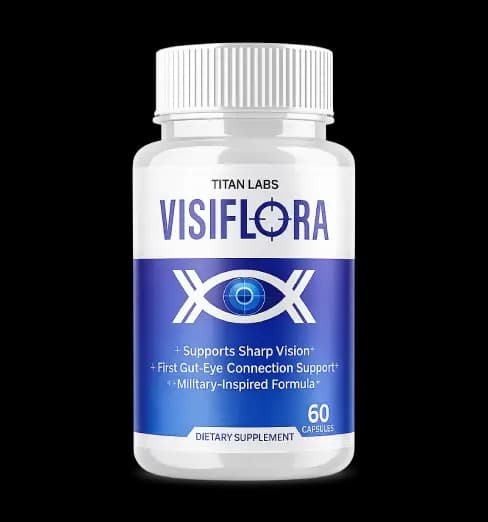
Published Suppriva products connected through the existing ingredient relationship table.
Related Blogs
Editorial resources automatically matched by ingredient, category, and wellness topic language.
Ikaria Lean Belly Juice vs AquaSculpt: Which Is Better for Belly Fat?
Before buying another formula, review the most common weight loss supplement mistakes and how to make better choices.
Read article
Compare Alternatives
Similar ingredients surfaced automatically from matching wellness categories and ingredient language.
Cnidium Monnieri
Cnidium monnieri
Cnidium monnieri is a traditional botanical seed extract often discussed in sexual wellness and circulation-support supplement formulas.
Read MoreNeem
Azadirachta indica
Neem is a traditional botanical from the neem tree used in wellness, oral care, skin care, and herbal supplement discussions.
Read MorePygeum
Prunus africana
Pygeum is a bark extract from Prunus africana used in men's wellness supplements, especially formulas focused on urinary comfort and prostate-health education.
Read MoreReishi Mushroom
Ganoderma lucidum
Reishi mushroom is a functional mushroom used in supplements for immune wellness, stress-support positioning, and healthy-aging ingredient education.
Read MoreExplore By Health Needs
Browse live wellness categories connected to broader supplement goals.