Dandelion
Taraxacum officinale
Dandelion is a traditional botanical used in teas and supplements for digestive, liver, urinary, and general wellness education.
What Is Dandelion?
A practical look at dandelion root, leaf, and whole-plant use in modern supplement labels.
Dandelion is the common name for Taraxacum officinale, a widely recognized flowering plant used in foods, teas, traditional herbal preparations, and dietary supplements. Although many people think of dandelion as a common yard plant, its roots and leaves have a long history of use in botanical wellness traditions. In supplement education, dandelion is usually discussed for digestive support, urinary wellness, liver-support formulas, and general detox-positioned products. These uses should be interpreted carefully because dandelion is not a medical detox treatment and should not replace diagnosis or prescribed care.
Different parts of the dandelion plant are used differently. Dandelion leaf is often associated with urinary and fluid-balance conversations because it may have mild diuretic properties. Dandelion root is more commonly used in digestive and liver-support blends, especially teas, powders, capsules, and extracts. A product may list dandelion root, dandelion leaf, whole herb, or dandelion extract. Those forms are not interchangeable, so the plant part matters when comparing labels.
Dandelion contains naturally occurring compounds such as bitter constituents, phenolic acids, flavonoids, inulin-type fiber, and minerals. Bitter botanicals are often discussed for their role in digestive routines because bitter flavors can be part of traditional pre-meal herbal practices. However, supplement labels should avoid promising liver cleansing, weight loss, or disease treatment. A responsible dandelion profile focuses on plant part, dose, safety cautions, and whether the product explains its intended use clearly.
Safety context is important. Memorial Sloan Kettering notes potential interactions with diuretics and hypoglycemic medications, and people with ragweed-family allergies may be sensitive to dandelion. People with gallbladder disease, bile duct obstruction, kidney disease, diabetes, medication use, pregnancy, or nursing should seek professional guidance before using dandelion supplements. Because dandelion leaf can be positioned around fluid balance, it is especially important not to combine it casually with prescription diuretics.
Suppriva presents dandelion as an educational ingredient profile for label comparison, not as a recommendation for self-treatment. The most useful questions are: which part of the plant is used, is it root or leaf, is the product a tea or concentrated extract, what dose is listed, and what safety cautions apply to the user? That approach helps readers compare dandelion products without overextending the evidence.
Dandelion also appears in many wellness formulas that use broad language such as cleanse, detox, bloat support, or liver support. Those phrases can be confusing because they often refer to general structure-function positioning rather than proven clinical outcomes. Readers should look for specific ingredient facts instead of relying on marketing language. If a product does not identify whether it uses root, leaf, or extract, it is harder to evaluate responsibly.
Diet and lifestyle context matters too. Digestive comfort, fluid balance, and metabolic wellness are influenced by hydration, sodium intake, fiber, medication use, medical conditions, and overall eating pattern. Dandelion may be one botanical in a wellness routine, but persistent swelling, abdominal pain, urinary changes, jaundice, or unexplained digestive symptoms should be evaluated by a healthcare professional rather than managed with supplements alone.
For content and dashboard use, dandelion should be written with plant-part precision. A short product card may simply say dandelion, but a full ingredient page should explain whether the user is likely seeing root, leaf, whole herb, tea, or extract. That clarity keeps the page useful for both supplement shoppers and internal linking because it prevents one broad botanical name from becoming a vague catch-all.
How Dandelion Works
Dandelion is reviewed through bitter botanical, digestive, urinary, and fluid-balance education.
Plant-Part Specific Use
Dandelion root is usually discussed for digestive and liver-support formulas, while dandelion leaf is more often discussed for urinary and fluid-balance routines.
Dandelion works as a botanical ingredient rather than a single isolated nutrient. The leaf, root, and whole plant contain different profiles of bitter compounds, flavonoids, phenolic acids, and fiber-like constituents. This is why the plant part should be identified clearly on the label.
Dandelion leaf is often discussed for mild diuretic activity and fluid-balance education. Dandelion root is commonly positioned in digestive bitters, liver-support teas, and botanical blends. These traditional uses do not mean dandelion treats kidney, liver, digestive, or metabolic disease.
A responsible review focuses on whether the product uses tea, powder, tincture, capsule, or extract; whether the plant part is clear; and whether safety cautions are appropriate. People using diuretics, diabetes medication, lithium, or medications affected by fluid balance should involve a healthcare professional.
Botanical Insight
Dandelion leaves, roots, and flowers are all used in different traditions, but supplement labels should specify the plant part because root and leaf are not the same ingredient context.
Potential Benefits of Dandelion
Educational benefits commonly discussed for dandelion in herbal teas, digestive blends, and wellness formulas.
Digestive Bitters Context
Dandelion root is commonly used in bitter botanical traditions connected to digestive routines.
Fluid-Balance Education
Dandelion leaf is often discussed for urinary and fluid-balance support, especially in tea formulas.
Liver-Support Label Clarity
Dandelion helps readers evaluate liver-support formulas without assuming detox treatment claims.
Botanical Tea Use
Dandelion appears in herbal teas, powders, capsules, and tinctures with different strength and use contexts.
Plant-Part Awareness
Dandelion products can be compared by root, leaf, whole herb, or extract labeling.
Safety Review Prompt
Dandelion encourages careful review for diuretic, diabetes, allergy, kidney, and gallbladder considerations.
Dandelion Uses
Common supplement-use contexts for this ingredient.
Dandelion may appear in formulas related to digestive bitters, herbal teas, and fluid-balance education. Use should be guided by the finished product label and personal health context.
Digestive Bitters Context
Digestive Bitters Context is a common educational context for comparing Dandelion on supplement labels.
Fluid-Balance Education
Fluid-Balance Education is a common educational context for comparing Dandelion on supplement labels.
Botanical Tea Use
Botanical Tea Use is a common educational context for comparing Dandelion on supplement labels.
Plant-Part Awareness
Plant-Part Awareness is a common educational context for comparing Dandelion on supplement labels.
Dandelion Food Sources
Dandelion can be used as a food and herbal preparation, though supplements are more concentrated.
Dandelion leaves are sometimes eaten as bitter greens, while roasted dandelion root is used in herbal beverages. Flowers may also appear in traditional food preparations. Supplement products can be stronger or more concentrated than culinary use, so labels should be reviewed separately.
Dandelion greens
Dandelion greens provides source context for Dandelion, though supplement exposure can differ from food or traditional use.
Roasted dandelion root tea
Roasted dandelion root tea provides source context for Dandelion, though supplement exposure can differ from food or traditional use.
Dandelion root powder
Dandelion root powder provides source context for Dandelion, though supplement exposure can differ from food or traditional use.
Dandelion leaf tea
Dandelion leaf tea provides source context for Dandelion, though supplement exposure can differ from food or traditional use.
Whole-herb preparations
Whole-herb preparations provides source context for Dandelion, though supplement exposure can differ from food or traditional use.
Typical Dandelion Dosage
Serving size depends on whether the product uses root, leaf, tea, powder, tincture, or extract.
Dandelion dosage depends heavily on form. Herbal teas may use dried root or leaf by the cup, while capsules may provide powdered herb or extract in several-hundred-milligram servings. Tinctures and liquid extracts use different measurement systems, so the product label should be followed closely.
Because dandelion may affect fluid balance and may interact with certain medications, more is not automatically better. People using diuretics, diabetes medication, lithium, blood pressure medication, or those with kidney or gallbladder concerns should ask a healthcare professional before use.
Dandelion Safety Information
Dandelion is generally tolerated by many adults, but allergies, diuretic effects, glucose monitoring, and gallbladder concerns matter.
Side Effects
- Dandelion may cause stomach discomfort, heartburn, gas, or loose stools in sensitive users.
- People allergic to ragweed, daisies, chrysanthemums, or related plants may react to dandelion.
- Dandelion leaf may have diuretic activity and should be reviewed with relevant medications.
- People with gallbladder disease or bile duct obstruction should seek clinician guidance.
Drug Interactions
- Diuretic medications may have additive effects with dandelion leaf or fluid-balance formulas.
- Diabetes medications may require monitoring if dandelion is used in glucose-related routines.
- Lithium should be reviewed because changes in fluid balance may affect lithium handling.
- Blood pressure medications and kidney-related prescriptions should be discussed with a healthcare professional.
Who Should Avoid
- People with ragweed-family allergies unless cleared by a clinician.
- People using prescription diuretics without professional guidance.
- People with gallbladder disease, bile duct obstruction, kidney disease, or significant fluid-balance concerns.
- Pregnant or nursing individuals unless advised by a qualified healthcare professional.
- Anyone using dandelion as a replacement for liver, kidney, digestive, or urinary medical care.
Dandelion Research Notes
A balanced interpretation of available supplement research.
Dandelion research includes plant chemistry, diuretic activity, digestive use, and preclinical liver-related studies. Human evidence is limited and should not be overstated.
The most responsible interpretation is plant-part-specific education combined with medication and allergy caution.
Form Matters
Research findings may not apply equally to every extract, dose, or delivery format.
Population Matters
Outcomes can vary by baseline status, diet, medication use, health conditions, and study design.
Dandelion FAQs
Common questions about Dandelion, supplement use, dosage, safety, and label comparison.
Dandelion is Taraxacum officinale, a botanical used in foods, teas, and supplements for digestive, urinary, and general wellness education.
No. Root and leaf are different plant parts and are often used in different supplement contexts.
Found In Products
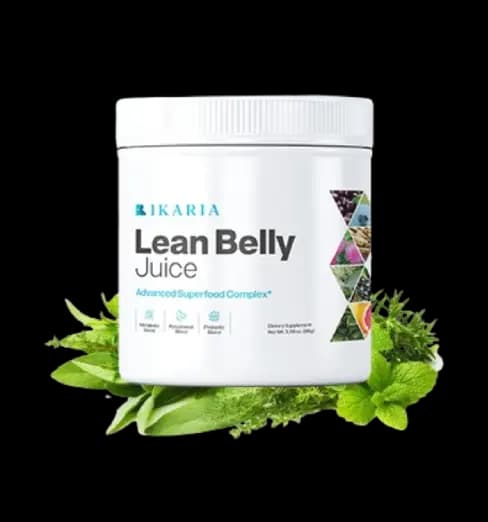
Published Suppriva products connected through the existing ingredient relationship table.
Related Blogs
Editorial resources automatically matched by ingredient, category, and wellness topic language.
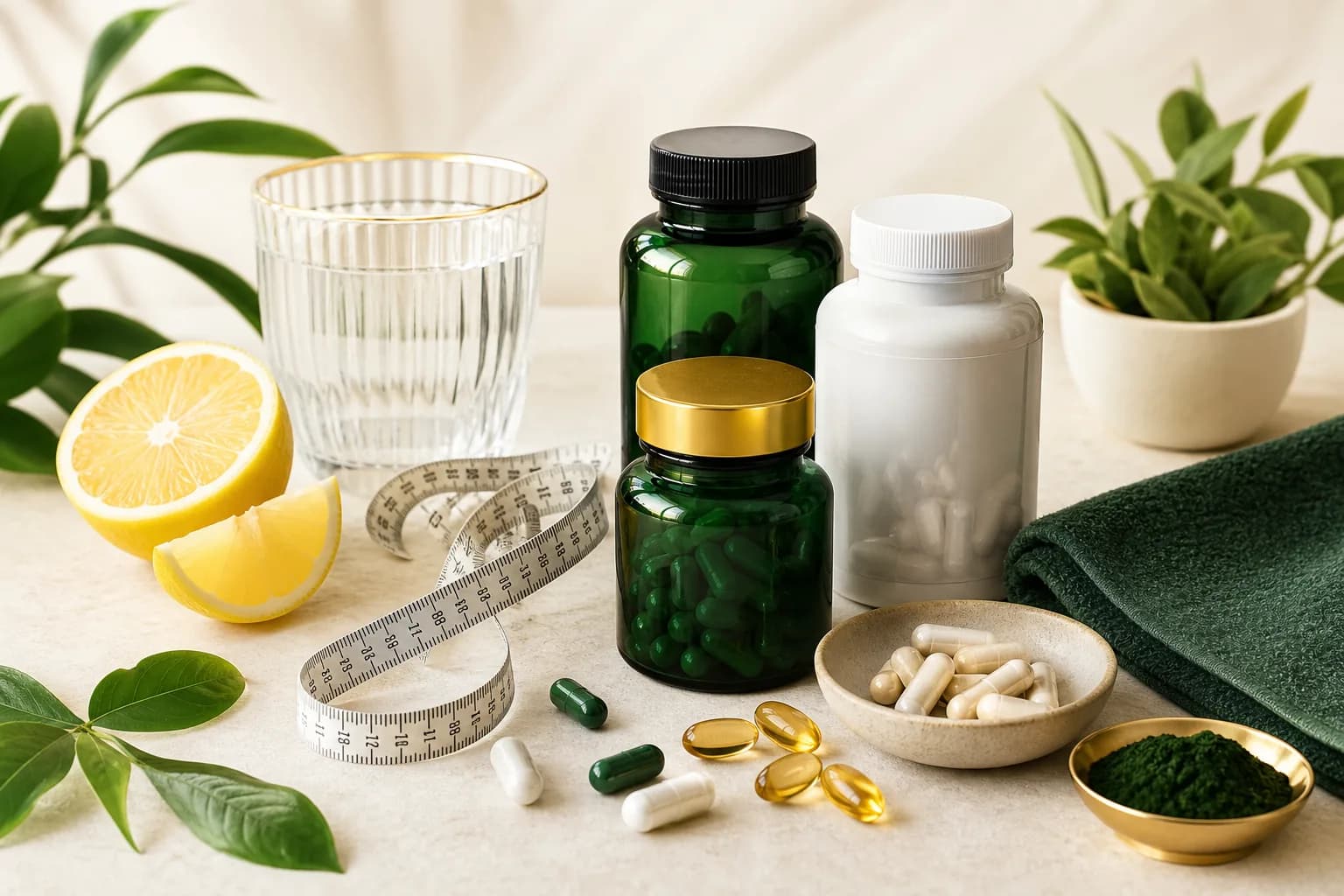
Ikaria Lean Belly Juice vs AquaSculpt: Which Is Better for Belly Fat?
Before buying another formula, review the most common weight loss supplement mistakes and how to make better choices.
Read article
Compare Alternatives
Similar ingredients surfaced automatically from matching wellness categories and ingredient language.
Black Cohosh Root
Actaea racemosa
Black Cohosh Root is a botanical ingredient from Actaea racemosa used in women's wellness and menopause-support supplement formulas.
Read MoreDandelion Extract
Taraxacum officinale extract
Dandelion extract is a concentrated botanical ingredient used in digestive, liver-support, urinary, and fluid-balance supplement formulas.
Read MoreFo-Ti (He Shou Wu)
Fallopia multiflora root
Fo-Ti, also called He Shou Wu, is a traditional root herb from Fallopia multiflora used in hair, vitality, and aging-wellness formulas with important liver safety cautions.
Read MoreReishi Mushroom
Ganoderma lucidum
Reishi mushroom is a functional mushroom used in supplements for immune wellness, stress-support positioning, and healthy-aging ingredient education.
Read MoreExplore By Health Needs
Browse live wellness categories connected to broader supplement goals.