Ginger Root
Zingiber officinale rhizome
Ginger root is the rhizome of Zingiber officinale, used in digestive, nausea, antioxidant, and comfort-focused supplement formulas.
What Is Ginger Root?
A practical guide to ginger rhizome, gingerols, digestive formulas, nausea-support context, and medication cautions.
Ginger root is the common name for the rhizome of Zingiber officinale, a warming culinary spice and botanical supplement ingredient. It is used globally in foods, teas, capsules, extracts, candies, and digestive-support products. Ginger is best known for its pungent compounds, including gingerols and shogaols, which contribute to its flavor and many of the reasons it is studied in digestive and nausea-related contexts.
Ginger appears in supplements for digestive comfort, occasional nausea, motion-related discomfort, pregnancy-related nausea discussions, antioxidant support, and joint or inflammatory-response formulas. These uses require careful language. Ginger should not be presented as a cure for nausea, arthritis, pregnancy complications, digestive disease, or inflammation. It is a familiar herb with useful research, but supplement use should still respect dose, user context, and medication cautions.
Food-level ginger intake is different from concentrated extracts. A small amount of ginger in cooking or tea is generally not the same as taking high-dose capsules. Concentrated products may list ginger root powder, ginger extract, gingerols percentage, shogaols, or a proprietary digestive blend. The label should identify the form and amount clearly.
Ginger's digestive reputation is tied to effects on gastric motility, nausea-related pathways, and gut comfort. Some studies support ginger in certain nausea contexts, including pregnancy-related nausea and chemotherapy-related nausea, but medical supervision is important in those settings. Persistent vomiting, dehydration, severe abdominal pain, pregnancy complications, or medication-related nausea should be evaluated professionally.
Safety is generally favorable for many adults when used in food amounts, but higher-dose supplements can cause heartburn, reflux, mouth irritation, diarrhea, or stomach discomfort. Ginger may also have blood-thinning relevance, especially in people taking anticoagulants, antiplatelet drugs, or preparing for surgery. Some references also discuss possible relevance to diabetes medication, blood pressure medication, and gallbladder conditions.
Pregnancy deserves nuance. Food-level ginger is commonly used, and several resources discuss ginger in nausea and vomiting of pregnancy, but high-dose supplements should be used only with healthcare guidance. Pregnant users should not self-treat severe nausea, dehydration, bleeding, abdominal pain, or pregnancy complications with supplements.
Ginger is often combined with turmeric, curcumin, boswellia, peppermint, digestive enzymes, probiotics, vitamin B6, or anti-nausea blends. These combinations can make sense, but they also change the safety profile. A digestive formula with ginger and peppermint may not fit someone with reflux, while a joint formula with ginger and curcumin may require blood-thinner review.
Suppriva presents ginger root as a practical, evidence-aware botanical. It is one of the most familiar herbs, but the best supplement choice still depends on form, gingerol standardization, dose, formula partners, and medical context. A premium label should explain whether the product is for digestive comfort, nausea support, joint comfort, or general antioxidant education.
How Ginger Root Works
Ginger is evaluated through gingerols, shogaols, digestive motility context, nausea pathways, and formula dose.
Digestive and Nausea-Support Context
The best labels identify root powder versus extract, gingerol standardization, dose, and medication cautions.
Ginger contains pungent compounds such as gingerols and shogaols that are studied for digestive motility, nausea-related signaling, and antioxidant activity. These compounds give ginger its characteristic warming taste.
Ginger products may use whole root powder, concentrated extract, tea, chewables, or standardized gingerols. The form influences taste, strength, and tolerability.
Because ginger may affect platelet function or interact with medication in some contexts, concentrated supplement use should be reviewed by people taking blood thinners, diabetes medication, blood pressure medication, or preparing for surgery.
Rhizome Insight
The part of ginger used in foods and supplements is technically a rhizome, not a true root, although root is the common name.
Potential Ginger Root Benefits
Educational benefits commonly discussed for ginger in digestive, nausea-support, and botanical formulas.
Digestive Comfort Context
Ginger is commonly used in formulas for occasional digestive comfort and meal support.
Nausea-Support Education
Ginger is studied in several nausea contexts, though medical guidance matters for severe symptoms.
Warming Botanical Profile
Gingerols and shogaols contribute to ginger's familiar warming sensation.
Antioxidant Research Context
Ginger compounds are studied for antioxidant and normal inflammatory-response pathways.
Extract Label Clarity
Ginger helps readers compare root powder, extract, tea, and standardized gingerols.
Culinary-to-Supplement Bridge
Ginger is familiar as food but requires extra review at concentrated supplement doses.
Ginger Root Uses
Common supplement-use contexts for this ingredient.
Ginger Root may appear in formulas related to digestive comfort education, nausea-support context, and gingerol label comparison. Use should be guided by the finished product label, the full ingredient stack, and personal health context.
Digestive Comfort
Common in formulas for occasional digestive support.
Nausea-Support Context
Studied in several nausea-related settings with medical context.
Botanical Extract Comparison
Helps compare powder, tea, extract, and gingerol standardization.
Warming Herb Routine
Used in teas and formulas for warming botanical support.
Ginger Root Food Sources
Ginger is widely used as a culinary spice, tea ingredient, and supplement extract.
Ginger can be consumed as fresh ginger, dried ginger, ginger tea, pickled ginger, powdered spice, candies, and supplements. Food use is generally milder than concentrated capsules or extracts. Products may also standardize gingerols for more consistent supplement comparison.
Fresh ginger rhizome
Used in cooking, teas, and traditional preparations.
Ginger tea
A common mild dietary preparation.
Capsules and extracts
Supplement forms may be concentrated or standardized for gingerols.
Typical Ginger Root Dosage
Serving size varies by tea, powder, capsule, extract, gingerol standardization, and intended use.
Ginger dosage depends on product form. Teas, candies, root powder, capsules, and standardized extracts are not directly equivalent. Labels may list total ginger powder or a percentage of gingerols.
People using blood thinners, diabetes medication, blood pressure medication, or preparing for surgery should ask a healthcare professional before high-dose ginger supplements. Pregnant individuals should seek guidance before concentrated use.
Ginger Root Safety Information
Ginger is familiar as food, but concentrated supplements require review for reflux, blood thinners, pregnancy, gallbladder issues, and medication use.
Side Effects
- Ginger can worsen heartburn, reflux, or mouth irritation in some users.
- Gas, diarrhea, stomach discomfort, or warming sensations may occur.
- Blood thinners, antiplatelet drugs, and surgery timing should be discussed.
- People with gallstones or bile concerns should seek professional guidance.
Drug Interactions
- Anticoagulant and antiplatelet medications should be reviewed before concentrated ginger use.
- Diabetes medications may require monitoring in high-dose or multi-ingredient formulas.
- Blood pressure medications should be discussed if concentrated ginger supplements are used regularly.
- Surgery timing should be reviewed because some clinicians recommend stopping supplements before procedures.
Who Should Avoid
- People taking blood thinners without clinician guidance.
- People with severe reflux, gallstones, or bile duct concerns unless professionally advised.
- Pregnant individuals using high-dose supplements without healthcare guidance.
- People with severe, persistent, or unexplained nausea or vomiting who need medical evaluation.
- Anyone using ginger instead of prescribed care for digestive, inflammatory, or pregnancy-related conditions.
Ginger Root Research Notes
A balanced interpretation of available supplement research.
Ginger research includes nausea, digestive comfort, antioxidant pathways, and normal inflammatory-response markers. Effects depend on dose, form, and user context.
Safety review should include reflux, blood-thinner use, pregnancy guidance, gallbladder concerns, diabetes medication, and surgery timing.
Evidence Depends on Form
Research should be interpreted by ingredient form, dose, population, study duration, and the complete formula.
Label Claims Need Context
Front-label wellness claims should be checked against serving size, standardization, safety cautions, and product quality.
Ginger Root FAQs
Common questions about Ginger Root, supplement labels, dosage, safety, and practical comparison.
Ginger root is the common name for the rhizome of Zingiber officinale, used as food and supplement.
Gingerols are pungent compounds in ginger that contribute to its flavor and studied biological activity.
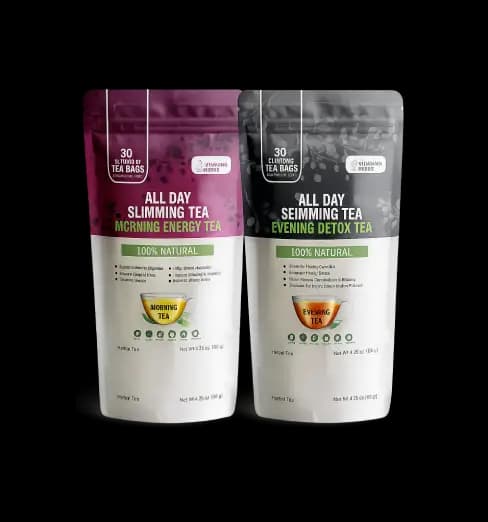
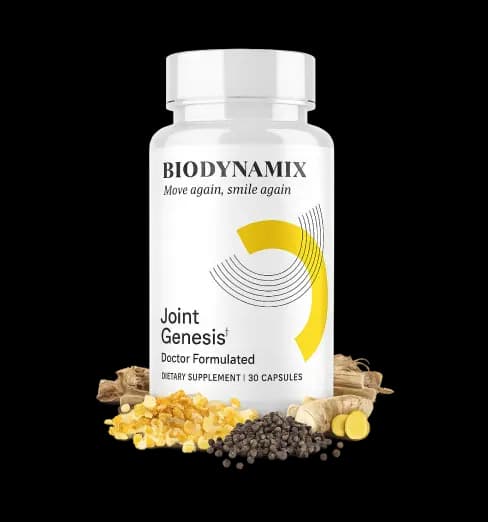
Found In Products
Published Suppriva products connected through the existing ingredient relationship table.
Related Blogs
Editorial resources automatically matched by ingredient, category, and wellness topic language.
Ikaria Lean Belly Juice vs AquaSculpt: Which Is Better for Belly Fat?
Before buying another formula, review the most common weight loss supplement mistakes and how to make better choices.
Read article
Compare Alternatives
Similar ingredients surfaced automatically from matching wellness categories and ingredient language.
Berberine
Berberis species alkaloid
Berberine is a yellow plant alkaloid found in several botanicals and commonly discussed in metabolic, blood sugar, cholesterol, and gut-focused supplement formulas.
Read MoreBerberine HCl
Berberine hydrochloride
Berberine HCl is a common supplement form of berberine, used on labels for metabolic wellness, blood sugar support, and ingredient comparison.
Read MoreBitter Melon Extract
Momordica charantia
Bitter Melon Extract is a botanical ingredient from Momordica charantia used in blood sugar, metabolic, and traditional herbal supplement formulas.
Read MoreBlack Cohosh Root
Actaea racemosa
Black Cohosh Root is a botanical ingredient from Actaea racemosa used in women's wellness and menopause-support supplement formulas.
Read MoreExplore By Health Needs
Browse live wellness categories connected to broader supplement goals.