Ginkgo Biloba
Ginkgo biloba leaf extract
Ginkgo Biloba is a standardized leaf extract used in supplement education for memory, focus, circulation, and medication-safety awareness.
Ginkgo Biloba Overview
A practical guide to ginkgo leaf extract, cognitive wellness, and safety context.
Ginkgo Biloba is one of the most familiar botanical ingredients in cognitive-support supplements. The ingredient comes from the leaves of the Ginkgo biloba tree, and modern supplement labels usually focus on standardized leaf extract rather than raw leaf or seed material. On Suppriva, ginkgo is reviewed as an educational ingredient so readers can compare memory, focus, and circulation claims with realistic expectations.
The main active groups discussed in ginkgo leaf extract are flavone glycosides and terpene lactones. These compounds are often used as markers for standardized extracts, and they help shoppers understand why one label may look more transparent than another. Standardization does not guarantee a result, but it gives a clearer basis for comparing supplement quality, serving size, and research relevance.
Ginkgo is commonly positioned around cognitive performance, age-related memory support, and circulation-related wellness. Evidence varies by population, extract type, dose, and study design, so it should not be treated as a cure or a guaranteed memory solution. It is more useful to view ginkgo as a label ingredient that may support a broader cognitive-wellness routine when used responsibly.
Safety context matters more with ginkgo than with many general wellness botanicals. It may affect bleeding risk, and it can be relevant for people taking anticoagulants, antiplatelet medicines, seizure medications, antidepressants, or medications before surgery. People with complex medical histories should review ginkgo with a qualified healthcare professional before using it.
Ginkgo products also differ in whether they use leaf extract, whole leaf powder, tea, or blends with other cognitive ingredients such as bacopa, citicoline, alpha GPC, or panax ginseng. A product that stacks multiple brain-support ingredients may not be appropriate for everyone, especially if it also contains caffeine or other stimulating compounds.
For supplement shoppers, the best approach is to compare the extract form, standardization, daily serving, warnings, and whether the product clearly explains the intended role of ginkgo. Claims that suggest rapid memory improvement or disease treatment should be viewed cautiously. Ginkgo should never replace medical evaluation for memory changes, dizziness, circulation symptoms, or neurological concerns.
Suppriva presents Ginkgo Biloba as a decision-support ingredient profile. The goal is to help readers understand what the ingredient is, how it is commonly used in supplement formulas, what cautions are important, and how to evaluate ginkgo products without relying on exaggerated marketing language.
A complete Ginkgo Biloba review should also look beyond the headline claim. The same ingredient can appear in very different products depending on extract strength, delivery form, companion ingredients, serving size, and the audience the formula is designed for. That is why Suppriva treats ingredient pages as decision-support resources rather than simple benefit lists. The practical question is not only whether Ginkgo Biloba has research interest, but whether a specific product uses it transparently and safely.
Readers should also separate general wellness support from medical treatment language. Ginkgo Biloba may have a useful role in supplement education, but it should not be used to diagnose, treat, cure, or prevent disease. People with medical conditions, medication routines, pregnancy, nursing, or unusual symptoms should use this information as a starting point for better questions, not as a substitute for professional guidance.
For day-to-day comparison, the most useful details are the ingredient form, the amount per serving, whether the label lists standardization or active markers, how the product explains safety, and whether the claims match the evidence. This approach helps shoppers compare Ginkgo Biloba with related ingredients while keeping expectations realistic and FDA-compliant.
How Ginkgo Biloba Works
How standardized ginkgo leaf extract is discussed in cognitive and circulation formulas.
Standardized leaf extract matters
Most research-oriented ginkgo products specify flavone glycosides and terpene lactones so shoppers can compare extract quality and serving size.
Ginkgo leaf extract is commonly discussed through antioxidant activity, blood-flow signaling, and neurotransmitter-related research pathways. These mechanisms are not the same as proven treatment outcomes, but they explain why ginkgo appears in memory, focus, and circulation-support formulas.
A standardized extract can make label comparison easier because it tells shoppers which marker compounds are present. Without standardization, it is harder to compare a powder, tea, or blend to research that used a defined extract.
Because ginkgo may affect platelet activity and interact with certain medications, mechanism discussions should always be paired with safety review. The most responsible interpretation is ingredient-aware, label-specific, and guided by personal health context.
Ingredient Insight
Ginkgo trees are often called living fossils because related species date back millions of years, but modern supplements use processed leaf extract rather than ancient folk preparations.
Potential Ginkgo Biloba Benefits
Educational benefits commonly associated with ginkgo leaf extract.
Cognitive Formula Context
Helps shoppers understand why ginkgo appears in memory and focus supplements.
Circulation Claim Review
Supports evaluation of circulation-related label language without treating claims as medical outcomes.
Standardization Awareness
Encourages comparison of flavone glycoside and terpene lactone details on labels.
Medication Safety Review
Highlights why blood-thinner, seizure, surgery, and medication cautions matter.
Age-Related Wellness Context
Frames ginkgo as a wellness ingredient, not a replacement for cognitive evaluation.
Smarter Label Comparison
Helps compare dose, form, blends, warnings, and realistic product claims.
Ginkgo Biloba Uses
Common supplement-use contexts for Ginkgo Biloba.
Ginkgo may appear in formulas for memory, focus, circulation, and age-related wellness, but it should be evaluated by extract quality and safety context.
Memory Support Context
Used in cognitive wellness formulas with label-specific expectations.
Focus Formula Review
Often paired with other nootropic-style ingredients.
Circulation Education
Appears in products discussing blood-flow support.
Medication Safety Awareness
Requires careful review for blood-thinner and surgery cautions.
Ginkgo Biloba Food Sources
Ginkgo supplements use leaf extract; it is not a normal dietary food ingredient.
Ginkgo is not typically consumed as a regular food in the way berries, tea, or spices are. Supplements generally use processed leaf extract, while ginkgo seeds have separate safety concerns and are not the same as standardized leaf extract products.
People should not assume that traditional use, tea, seed products, and standardized supplements have the same safety profile.
Ginkgo Leaf Extract
The common supplement form used in capsules and tablets.
Ginkgo Tea
Less standardized and harder to compare with research-based extracts.
Ginkgo Seeds
Not equivalent to leaf extract and require extra safety caution.
Typical Ginkgo Biloba Dosage
Typical serving ranges vary by extract form and label standardization.
Ginkgo dosage depends on the extract form, standardization, and product purpose. Many standardized leaf extract products use daily totals in the 120 mg to 240 mg range, but some formulas use different amounts when ginkgo is part of a broader cognitive blend.
Shoppers should follow the finished product label rather than assuming all ginkgo products are interchangeable. A whole leaf powder, tea, or non-standardized blend should not be compared directly with a standardized extract used in research.
People taking medications, preparing for surgery, managing bleeding disorders, or experiencing memory or neurological symptoms should speak with a healthcare professional before using ginkgo.
Ginkgo Biloba Safety Information
Ginkgo requires careful review for medication use, bleeding risk, seizure history, and surgery timing.
Side Effects
- Some people report stomach discomfort, nausea, diarrhea, or general digestive changes.
- Headache, dizziness, or restlessness may occur in sensitive users.
- Ginkgo may be relevant for people using anticoagulant or antiplatelet medications.
- Allergic reactions are uncommon but possible, especially in people sensitive to related botanicals.
Ginkgo Biloba Research Notes
A balanced interpretation of available supplement research.
Ginkgo research has focused on standardized leaf extracts, cognitive measures, and circulation-related outcomes. Results vary, and research findings should not be generalized to every product or blend.
Safety review is important because ginkgo can be relevant for bleeding risk, seizure history, medication use, and surgery timing.
Evidence Depends on Form
Research should be interpreted by ingredient form, serving size, population, study duration, and the full supplement formula.
Claims Need Label Context
Front-label claims should be compared with serving size, standardization, safety cautions, and product quality information.
Ginkgo Biloba References
References should be reviewed by ingredient form and health context.
NIH and clinical literature
Memorial Sloan Kettering herb and supplement safety resources
PubMed biomedical literature database
Ginkgo Biloba FAQ
Common questions about Ginkgo Biloba, supplement labels, and safety.
Ginkgo Biloba is a botanical leaf extract used in supplements for cognitive, memory, focus, and circulation-support positioning.
It is commonly used in formulas marketed for memory support, cognitive wellness, circulation support, and age-related wellness routines.
Found In Products
Published Suppriva products connected through the existing ingredient relationship table.
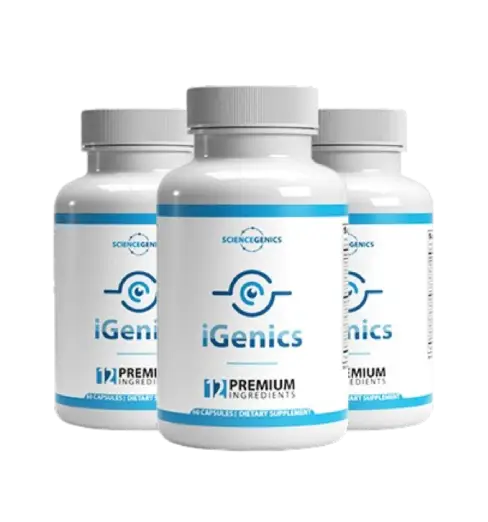
iGenics
iGenics is a daily capsule with AREDS-2 nutrients, Bilberry, and Ginkgo Biloba supporting eye health and vision clarity.
View product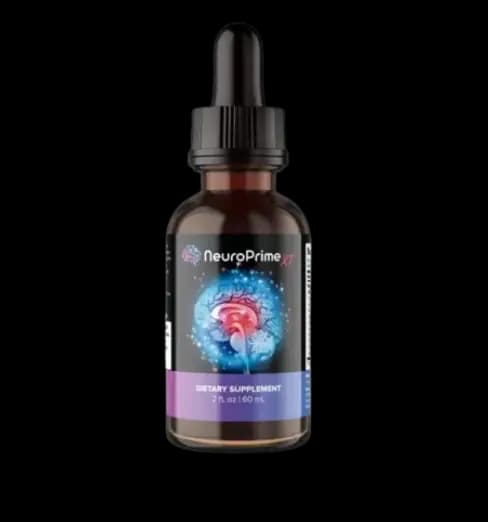
NeuroPrime
NeuroPrime is a daily liquid formula with Lion's Mane, Ginkgo Biloba, and Bacopa Monnieri supporting memory function.
View product
Related Blogs
Editorial resources automatically matched by ingredient, category, and wellness topic language.
Ikaria Lean Belly Juice vs AquaSculpt: Which Is Better for Belly Fat?
Before buying another formula, review the most common weight loss supplement mistakes and how to make better choices.
Read article
Compare Alternatives
Similar ingredients surfaced automatically from matching wellness categories and ingredient language.
Dandelion Extract
Taraxacum officinale extract
Dandelion extract is a concentrated botanical ingredient used in digestive, liver-support, urinary, and fluid-balance supplement formulas.
Read MoreNeem
Azadirachta indica
Neem is a traditional botanical from the neem tree used in wellness, oral care, skin care, and herbal supplement discussions.
Read MoreBerberine
Berberis species alkaloid
Berberine is a yellow plant alkaloid found in several botanicals and commonly discussed in metabolic, blood sugar, cholesterol, and gut-focused supplement formulas.
Read MoreBerberine HCl
Berberine hydrochloride
Berberine HCl is a common supplement form of berberine, used on labels for metabolic wellness, blood sugar support, and ingredient comparison.
Read MoreExplore By Health Needs
Browse live wellness categories connected to broader supplement goals.