Milk Thistle (Silymarin)
Silybum marianum
Milk Thistle (Silymarin) is a botanical seed extract standardized for silymarin compounds and commonly used in liver-support and antioxidant wellness formulas.
Milk Thistle Overview
A practical look at milk thistle and silymarin in liver-support supplements.
Milk thistle, known scientifically as Silybum marianum, is a flowering botanical whose seeds are used to make extracts standardized for silymarin. Silymarin is not one single compound; it is a group of flavonolignans that includes silybin and related constituents. In supplements, milk thistle is most often associated with liver-support formulas, antioxidant wellness, and products marketed around daily detox routines.
The liver-support reputation of milk thistle is one reason the ingredient is so common, but responsible education is important. Milk thistle supplements are not treatments for hepatitis, fatty liver disease, cirrhosis, alcohol-related liver injury, medication toxicity, or any diagnosed liver condition. Anyone with abnormal liver tests, jaundice, abdominal swelling, persistent fatigue, or known liver disease should seek medical care rather than relying on a supplement.
Quality varies by extract. Some labels list milk thistle seed powder, while others list standardized extract with a stated silymarin percentage. A product that provides 250 mg of seed powder is not automatically comparable to a 250 mg extract standardized to 80 percent silymarin. Users should look at the supplement facts panel, standardization, serving size, and whether the product includes other liver-support ingredients such as dandelion, artichoke, NAC, turmeric, or alpha lipoic acid.
Milk thistle is also used in antioxidant and general wellness formulas. Research interest often focuses on cellular protection and liver-related pathways, but human evidence depends on the population, preparation, dose, and condition studied. Consumers should avoid products that promise detoxification in vague or dramatic terms. The body's detoxification systems are complex and depend on nutrition, hydration, sleep, medication safety, alcohol intake, and medical status.
For Suppriva readers, milk thistle should be evaluated by matching the form to the goal, checking whether the label explains the source clearly, and reviewing the full formula instead of judging one ingredient in isolation. A standardized seed extract may be more suitable for comparison than vague proprietary blends. Users should also check allergen concerns, especially if they react to plants in the daisy or ragweed family.
Milk thistle is generally well tolerated by many adults, but digestive upset, headache, itching, and allergic reactions can occur. It may interact with medications processed by the liver and may require caution with diabetes medications or hormone-sensitive conditions. Professional guidance is recommended for pregnancy, nursing, liver disease, medication use, or planned surgery.
A useful way to research Milk Thistle (Silymarin) is to compare the ingredient form, serving size, supporting ingredients, and safety language together. Many supplement labels use similar front-of-bottle claims while relying on very different formulas behind the scenes. Suppriva's ingredient library is designed to help readers slow down, read the facts panel, and understand whether milk thistle is being used as a primary ingredient, a supporting ingredient, or part of a broader blend.
People also respond differently to the same ingredient because of age, diet, medications, health conditions, dose, consistency, and product quality. For that reason, Milk Thistle (Silymarin) should be viewed as an educational wellness ingredient rather than a guaranteed result. Anyone managing a medical condition, taking prescription medication, preparing for surgery, pregnant, nursing, or buying for a child should speak with a qualified healthcare professional before starting a new supplement.
For shoppers, the strongest labels explain what form is used, why the dose was chosen, and how the ingredient fits the complete formula. This makes it easier to compare products without relying only on marketing language.
How Milk Thistle Works
Milk thistle is valued for silymarin compounds and antioxidant wellness positioning.
Silymarin-focused extract
Many milk thistle products are standardized for silymarin content, making extract strength an important label comparison point.
Milk thistle works through silymarin compounds that are studied for antioxidant and liver-cell wellness pathways. These compounds are concentrated mainly in the seed extract and vary by standardization.
In formulas, milk thistle is often paired with other botanicals or nutrients that support general wellness. The full formula matters because added ingredients may change the safety profile and intended use.
Milk thistle should be used as supportive nutrition education, not as a substitute for medical evaluation of liver symptoms or abnormal lab results.
Botanical Standardization Note
Milk thistle products often highlight silymarin, a group of flavonolignan compounds found primarily in the plant's seeds.
Potential Milk Thistle (Silymarin) Benefits
Benefits depend on dose, form, product quality, and overall wellness routine.
Botanical Liver Support
Milk thistle is widely used in supplements positioned around liver wellness and daily detox-support routines.
Antioxidant Context
Silymarin compounds are researched for antioxidant activity and cellular wellness support.
Label Transparency Value
Standardized silymarin content helps users compare extract strength between products.
General Wellness Fit
Milk thistle often appears in formulas that support broader metabolic and wellness routines.
Research Interest
The ingredient has been studied in liver-related contexts, though supplement claims must remain responsible.
Product Comparison Value
Milk thistle helps shoppers compare seed extract, silymarin percentage, serving size, and combination herbs.
Milk Thistle (Silymarin) Uses
Common wellness contexts where milk thistle appears.
Milk Thistle (Silymarin) is commonly used in liver-support formulas, antioxidant wellness, and botanical supplement research. Product positioning should remain educational and should not imply disease treatment.
Supplement Formulas
Liver-support formulas, antioxidant wellness, and botanical supplement research
Label Research
Useful for comparing form, dose, and safety notes.
Wellness Education
Best understood as one part of a broader routine.
Milk Thistle (Silymarin) Sources
Where this ingredient naturally comes from or how it is typically sourced.
Milk Thistle (Silymarin) is typically sourced from mediterranean botanical now cultivated globally. Supplement formats can differ from food, clinical, or traditional preparations, so label form and intended use matter.
Primary Source
Silybum marianum
Common Form
Capsule, tablet, extract, tea, powder
Label Check
Review serving size, source, form, safety directions, and combination ingredients.
Typical Milk Thistle (Silymarin) Dosage
Serving size depends on the product form and label directions.
Milk thistle extract servings often range from about 150 mg to 600 mg daily depending on standardization and formula design. Products may also provide seed powder, tea, or combination blends, which are not directly equivalent.
Follow the supplement label and compare silymarin standardization when available. People with liver disease, medication use, diabetes, hormone-sensitive conditions, pregnancy, or nursing should consult a healthcare professional before use.
Milk Thistle (Silymarin) Safety Information
Use label directions carefully and consider personal sensitivity, medication use, and health status.
Side Effects
- Nausea, gas, bloating, or loose stools may occur in some users.
- People sensitive to ragweed, daisies, or related plants may be more likely to react.
- Some users report headache, itching, or general discomfort.
- People monitoring glucose should use caution, especially with diabetes medications.
Drug Interactions
- Discuss use with a clinician if taking medications processed by the liver.
- Use caution with diabetes medications or blood sugar management plans.
- Review use with hormone-related therapies or hormone-sensitive conditions.
- Ask a healthcare professional before surgery, pregnancy, nursing, or use with liver disease.
Who Should Avoid
- People with known allergy to milk thistle or related plants such as ragweed or daisies.
- People with liver disease who have not discussed supplements with their clinician.
- People taking diabetes medications without professional guidance.
- Pregnant or nursing users unless advised by a qualified healthcare professional.
- Anyone using milk thistle to delay evaluation of liver symptoms.
Milk Thistle (Silymarin) Research Notes
A responsible summary of the research context.
Research on milk thistle varies by preparation, dose, and study design. Human evidence may be limited for some uses, so supplement labels should be interpreted carefully and without disease-treatment assumptions.
Evidence Context
Research quality depends on form, dose, and population studied.
Practical Use
Use supplements as supportive tools, not replacements for care.
Milk Thistle (Silymarin) References
Trusted educational references used for responsible content framing.
NIH and PubMed
General safety and research context for dietary supplement education.
Clinical Herb and Supplement References
Used to frame interactions, cautions, and label-awareness guidance.
Milk Thistle (Silymarin) FAQs
Common questions about milk thistle supplements and label comparison.
Milk thistle is commonly used in liver-support, antioxidant, and general wellness supplements.
Silymarin is a group of compounds found in milk thistle seed extract.
Found In Products
Published Suppriva products connected through the existing ingredient relationship table.
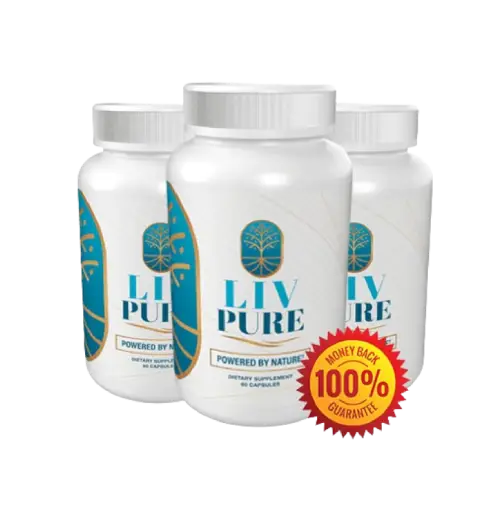
Liv Pure
Liv Pure is a daily capsule with Milk Thistle, Berberine, and Green Tea supporting liver health and metabolism.
View product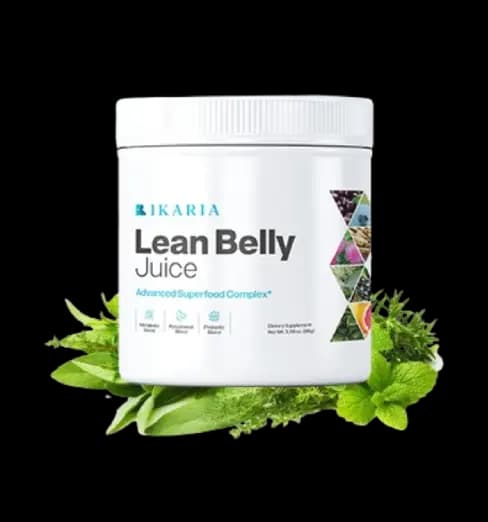
Ikaria Lean Belly Juice
Ikaria Lean Belly Juice is a daily powder with Fucoxanthin, EGCG, and Milk Thistle supporting metabolism and fat loss.
View product
Related Blogs
Editorial resources automatically matched by ingredient, category, and wellness topic language.
Ikaria Lean Belly Juice vs AquaSculpt: Which Is Better for Belly Fat?
Before buying another formula, review the most common weight loss supplement mistakes and how to make better choices.
Read article
Compare Alternatives
Similar ingredients surfaced automatically from matching wellness categories and ingredient language.
Artichoke Extract
Cynara scolymus
Artichoke extract is a bitter botanical leaf extract used in supplement education for digestive wellness, bile-flow support context, liver-health formulas, and cholesterol-related research.
Read MoreDandelion
Taraxacum officinale
Dandelion is a traditional botanical used in teas and supplements for digestive, liver, urinary, and general wellness education.
Read MoreExplore By Health Needs
Browse live wellness categories connected to broader supplement goals.