Artichoke Extract
Cynara scolymus
Artichoke extract is a bitter botanical leaf extract used in supplement education for digestive wellness, bile-flow support context, liver-health formulas, and cholesterol-related research.
What Is Artichoke Extract?
A practical, safety-aware guide to artichoke extract and how it appears in supplement labels.
Artichoke extract is typically made from the leaves of Cynara scolymus, the same plant family as the edible artichoke. Supplement extracts are different from eating artichoke hearts as a vegetable because they concentrate bitter compounds and polyphenols from the leaves. Labels may mention cynarin, chlorogenic acid, luteolin, or standardized leaf extract, though not every product discloses the same level of detail.
In wellness education, artichoke extract is most often discussed for digestive comfort, bitter botanical support, bile-flow context, liver-support formulas, and cholesterol-related research. Bitter botanicals have a long history of use before meals, but modern supplement claims should remain realistic. Artichoke extract is not a treatment for liver disease, gallbladder disease, high cholesterol, or digestive disorders.
The ingredient appears in digestive enzyme blends, liver-support formulas, metabolic wellness products, and general digestive supplements. It may be paired with milk thistle, dandelion root, turmeric, ginger, peppermint, or digestive enzymes. Those combinations can make sense on a label, but they also require a careful review of dose overlap and gallbladder-related cautions.
Safety context is important because artichoke may not be appropriate for people with bile duct obstruction, active gallbladder disease, gallstones, or allergies to Asteraceae family plants such as ragweed, chamomile, echinacea, or daisies. Digestive discomfort, gas, or changes in bowel habits may occur. Pregnant or nursing individuals and people using medications should ask a healthcare professional before using concentrated extracts.
Suppriva reviews artichoke extract as an educational ingredient for label comparison. A strong label should identify the plant part, extract strength, serving size, and safety warnings. Readers should compare whether the product uses artichoke leaf extract specifically, whether it is standardized, and whether the formula makes responsible support claims rather than medical promises.
Artichoke extract is also a good example of why plant part matters. Eating artichoke hearts as food provides fiber and nutrients, while supplement extracts usually concentrate leaf compounds. A product that simply says artichoke without identifying leaf, extract ratio, or standardization gives shoppers less information than a label that clearly explains the source and serving. This matters for both effectiveness expectations and safety review.
Digestive and liver-support formulas can contain several bitter or bile-flow-oriented ingredients at once, including dandelion, milk thistle, turmeric, ginger, peppermint, and enzymes. That does not automatically make the product better. For people with gallbladder issues, reflux, plant allergies, pregnancy, nursing, or medication use, a more complex formula may require more caution. Artichoke extract should be evaluated as an educational wellness ingredient, not as a treatment for digestive, liver, or cholesterol conditions.
This makes artichoke useful for teaching label literacy in digestive formulas. Readers should identify whether the product uses leaf extract, what serving amount is provided, whether standardization is stated, and whether the formula includes appropriate warnings for gallbladder concerns and plant-family allergies.
Artichoke also illustrates why digestive supplements should be personalized. A bitter formula may feel supportive for one person and irritating for another. Comfort, medical history, gallbladder status, allergies, and medication use all affect whether it is appropriate.
That practical context makes the ingredient easier to compare across modern supplement labels.
How Artichoke Extract Works
How artichoke extract is commonly discussed in supplement education and label comparison.
Bitter Leaf Extract for Digestive Support
Artichoke Extract is best evaluated by identity, dose, form, supporting ingredients, and safety context rather than broad marketing claims.
Artichoke extract is discussed for bitter-compound signaling, bile-flow support context, antioxidant polyphenols, and digestive wellness routines. The leaf contains compounds such as cynarin and chlorogenic acid that help explain why it appears in liver and digestive supplement categories. Its role should be viewed as supportive and educational rather than medical.
The practical value of an artichoke supplement depends on plant part, extract strength, dose, formula pairing, and gallbladder safety. A digestive product with artichoke, dandelion, ginger, and enzymes should be evaluated differently from a simple artichoke leaf extract. People with gallbladder disease or bile duct concerns should not use it without professional guidance.
Ingredient Insight
Artichoke leaf is naturally bitter, and that bitterness is one reason the extract is commonly discussed in digestive-support traditions.
Potential Benefits of Artichoke Extract
Educational benefits commonly associated with artichoke extract in supplement routines.
Digestive Comfort Context
Artichoke extract is often discussed in digestive wellness formulas because of its bitter leaf profile.
Bitter Botanical Support
It helps readers understand how bitter botanicals are used in supplement routines.
Liver Wellness Education
Artichoke appears in liver-support formulas where claims should remain realistic and safety-aware.
Cholesterol Research Context
It is researched in cholesterol-related wellness discussions, but not as a replacement for medical care.
Extract Transparency
Labels can be compared by plant part, standardization, extract ratio, and dose.
Formula Fit
Artichoke is often paired with milk thistle, dandelion, ginger, or digestive enzymes.
Common Uses
How Artichoke Extract is usually positioned in supplement routines.
Artichoke Extract is commonly used in products connected to digestive, liver, and cholesterol-support education. Use context should be evaluated by label directions, formula design, and personal health status.
Supplement Education
Artichoke Extract helps readers compare ingredient identity, dose, form, and safety context.
Label Comparison
Products containing Artichoke Extract can vary by serving size, supporting ingredients, and claim quality.
Artichoke Extract Food Sources
Food-source context helps separate dietary exposure from concentrated supplement use.
Artichoke hearts are eaten as a vegetable, while supplements typically use concentrated leaf extract. The food and the extract should not be treated as identical because the plant part, dose, and bitter compounds differ.
Dietary Context
Artichoke hearts are eaten as a vegetable, while supplements typically use concentrated leaf extract. The food and the extract should not be treated as identical because the plant part, dose, and bitter compounds differ.
Typical Artichoke Extract Dosage
Serving size depends on product form, concentration, label directions, and personal context.
Many labels provide 300 mg to 1,200 mg daily depending on extract strength, serving frequency, and product purpose. The right comparison is not just the milligram amount. Review ingredient form, standardization, serving frequency, timing instructions, and whether the product combines multiple ingredients with similar goals.
Start with the label directions for the specific product and avoid stacking several formulas without reviewing total intake. People with medical conditions, medication use, pregnancy, or nursing should ask a qualified healthcare professional before using supplements.
Artichoke Extract Safety Information
Artichoke is generally well tolerated by many adults, but gallbladder concerns and Asteraceae plant allergies require caution.
Side Effects
- Gas, stomach discomfort, nausea, or bowel changes may occur in sensitive users.
- People with gallstones or bile duct concerns need professional guidance.
- Asteraceae plant allergies may increase the chance of sensitivity reactions.
- Bitter herbs can feel strong for people with reflux or sensitive digestion.
Drug Interactions
- Gallbladder, bile-flow, liver-related, or cholesterol medications should be reviewed before use.
- Digestive formulas with multiple bitter herbs may increase stomach discomfort in sensitive users.
- People using medications for cholesterol or liver conditions should seek professional guidance.
- Pregnancy, nursing, or planned surgery should be discussed with a healthcare professional before use.
Who Should Avoid
- People with bile duct obstruction, active gallbladder disease, or gallstones unless medically supervised.
- People allergic to artichoke, ragweed, chamomile, echinacea, daisies, or related Asteraceae plants.
- Pregnant or nursing individuals unless advised by a healthcare professional.
- People with severe reflux or digestive sensitivity who react to bitter herbs.
- Children unless directed by a qualified healthcare provider.
Artichoke Extract Research Context
A concise research-literacy note for supplement shoppers.
Artichoke Extract is discussed in wellness research and supplement education, but study designs, ingredient forms, serving sizes, and populations vary. Readers should avoid assuming that every product on the market reflects the same evidence base.
Suppriva summarizes ingredients for education and comparison. This content is not medical advice and should not be used to diagnose, treat, cure, or prevent disease.
Evidence Context
Research should be interpreted by form, dose, study population, and whether outcomes match the supplement claim.
Artichoke Extract FAQs
Common questions about artichoke extract, dosage, safety, and supplement label comparison.
Artichoke Extract is an ingredient reviewed in Suppriva's library for digestive comfort, bitter botanical support, bile-flow education, liver wellness, and cholesterol-related supplement research.
Artichoke Extract is commonly discussed in supplement education for digestive comfort, bitter botanical support, bile-flow education, liver wellness, and cholesterol-related supplement research. Its relevance depends on dose, quality, form, safety context, and the overall routine.
Found In Products
Published Suppriva products connected through the existing ingredient relationship table.
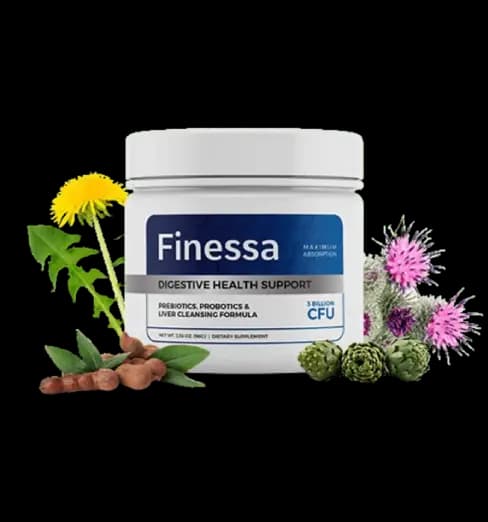
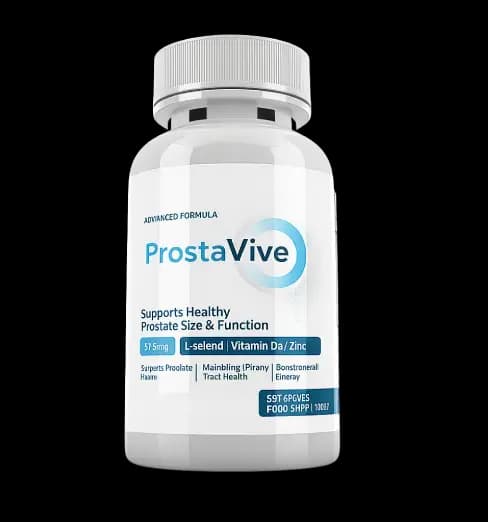
Related Blogs
Editorial resources automatically matched by ingredient, category, and wellness topic language.
Ikaria Lean Belly Juice vs AquaSculpt: Which Is Better for Belly Fat?
Before buying another formula, review the most common weight loss supplement mistakes and how to make better choices.
Read article
Compare Alternatives
Similar ingredients surfaced automatically from matching wellness categories and ingredient language.
Milk Thistle (Silymarin)
Silybum marianum
Milk Thistle (Silymarin) is a botanical seed extract standardized for silymarin compounds and commonly used in liver-support and antioxidant wellness formulas.
Read MoreBacopa Monnieri
Bacopa monnieri
Bacopa monnieri is a botanical extract used in memory, focus, cognitive wellness, and nootropic supplement education.
Read MoreDandelion
Taraxacum officinale
Dandelion is a traditional botanical used in teas and supplements for digestive, liver, urinary, and general wellness education.
Read MoreDandelion Extract
Taraxacum officinale extract
Dandelion extract is a concentrated botanical ingredient used in digestive, liver-support, urinary, and fluid-balance supplement formulas.
Read MoreExplore By Health Needs
Browse live wellness categories connected to broader supplement goals.